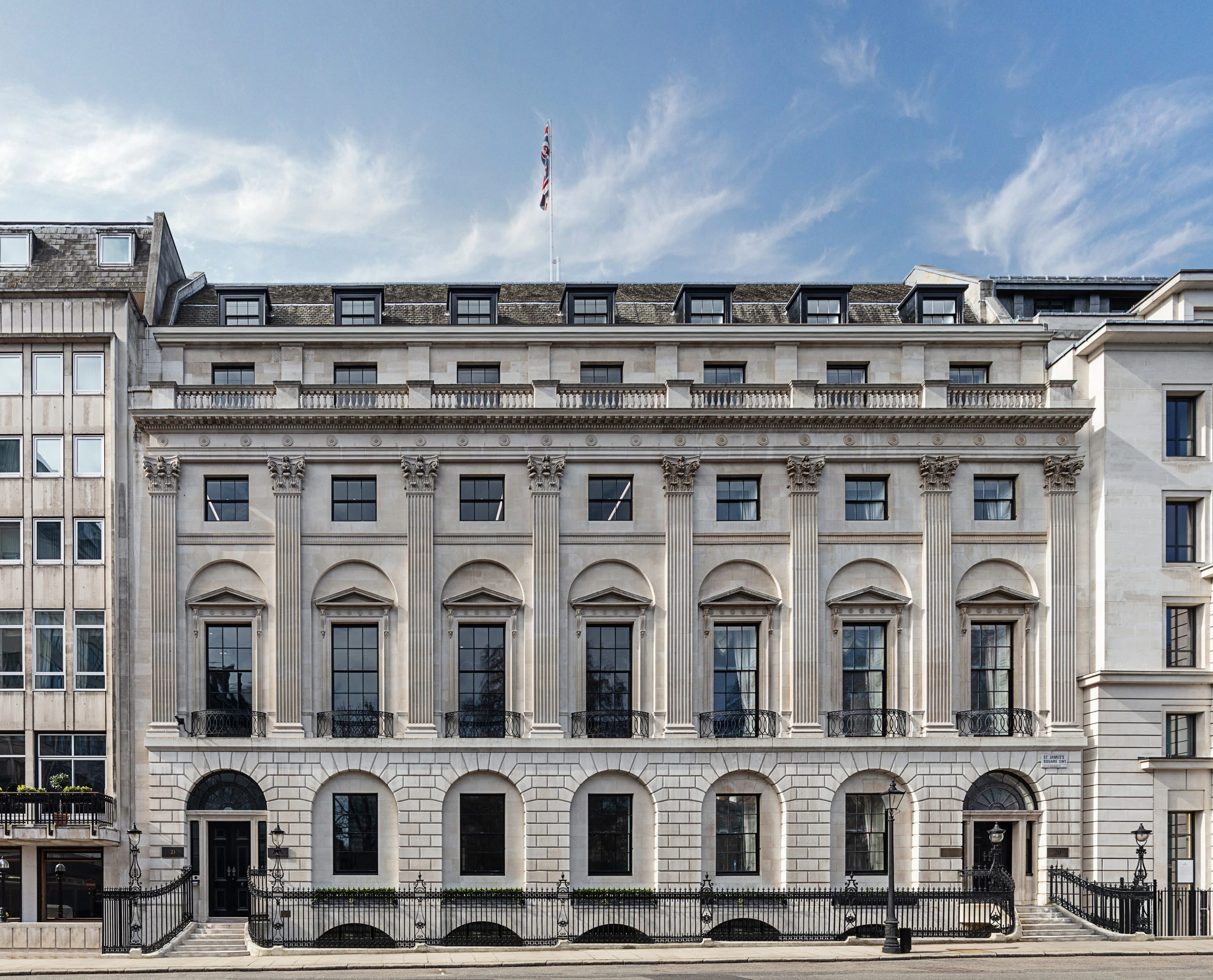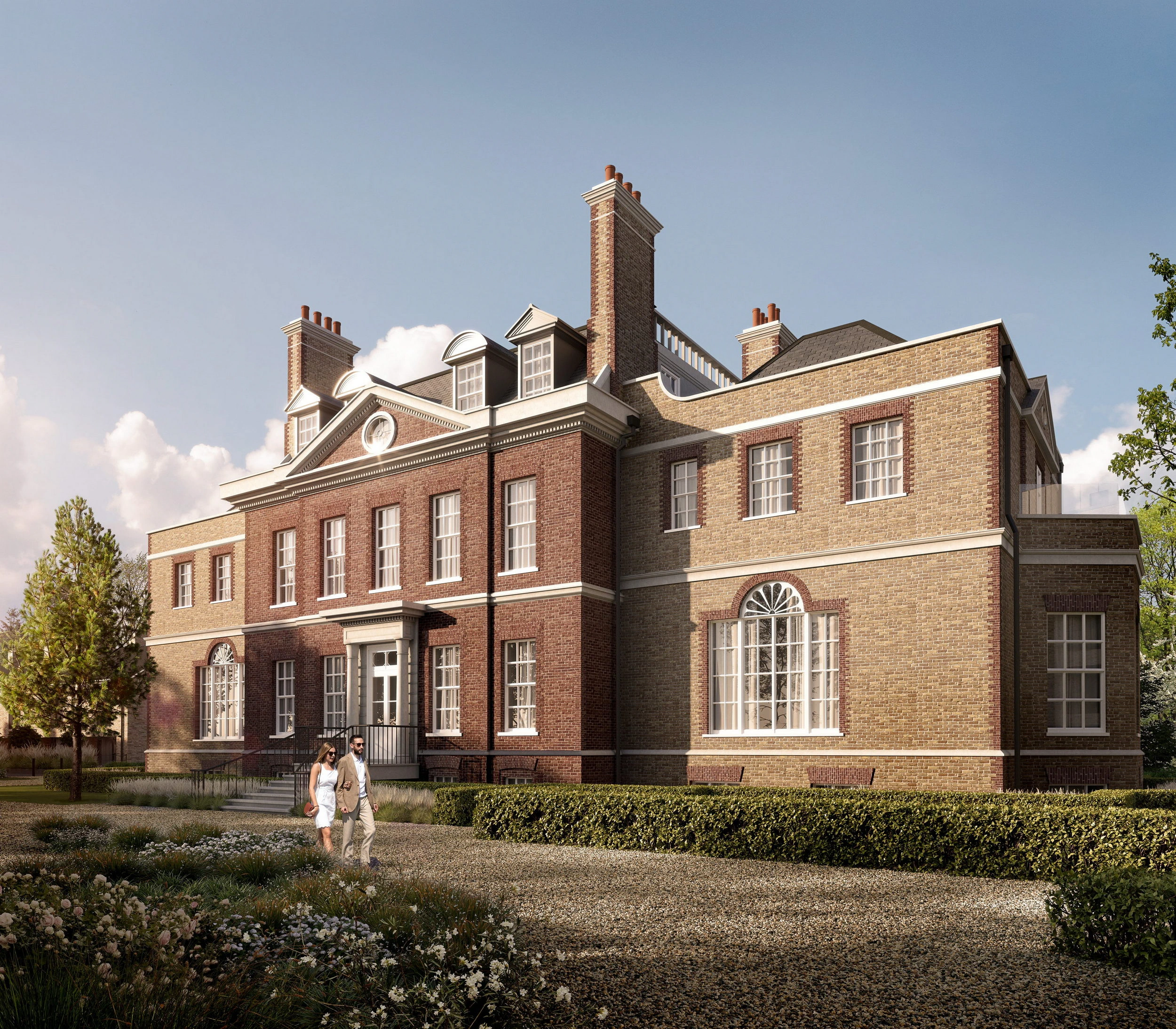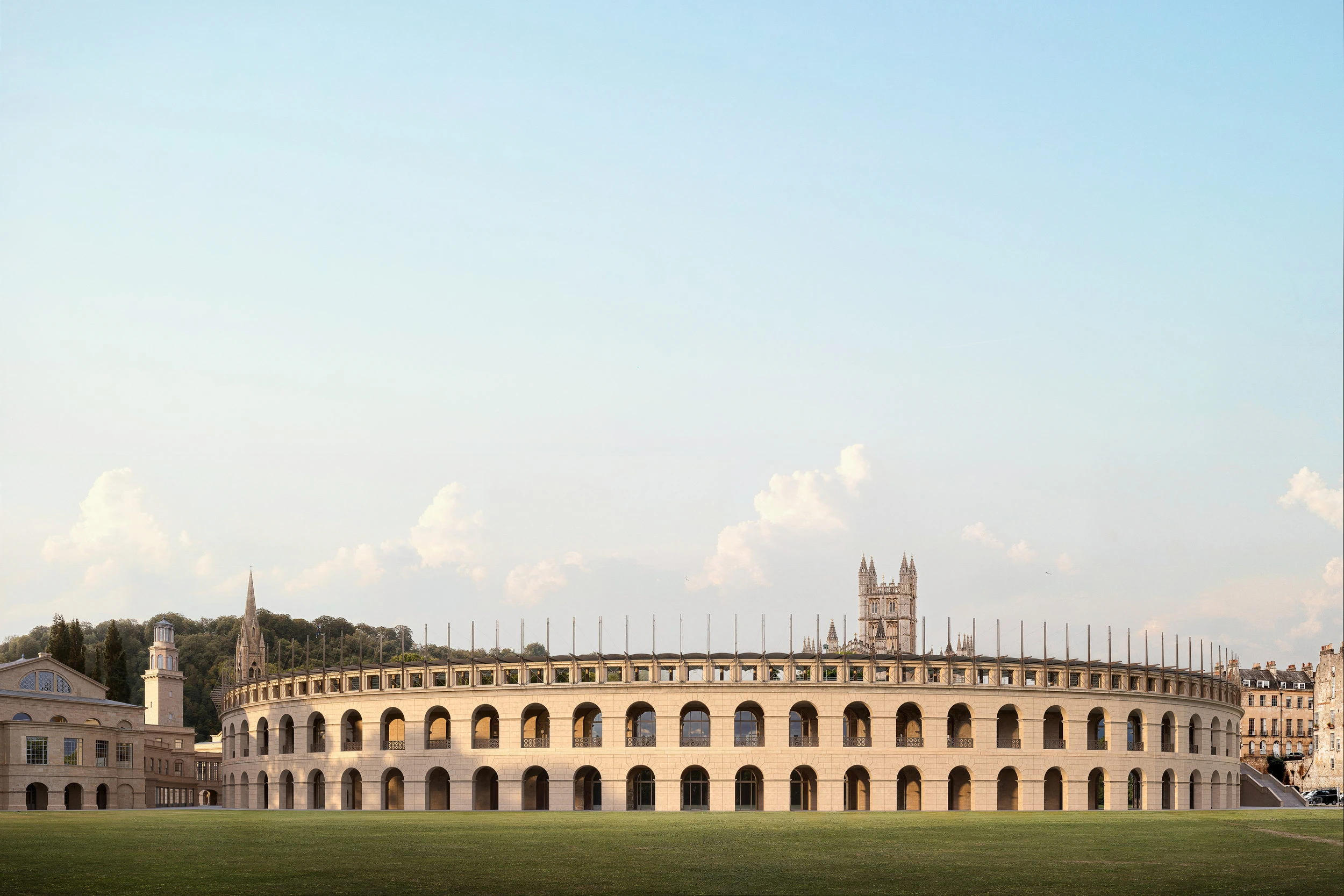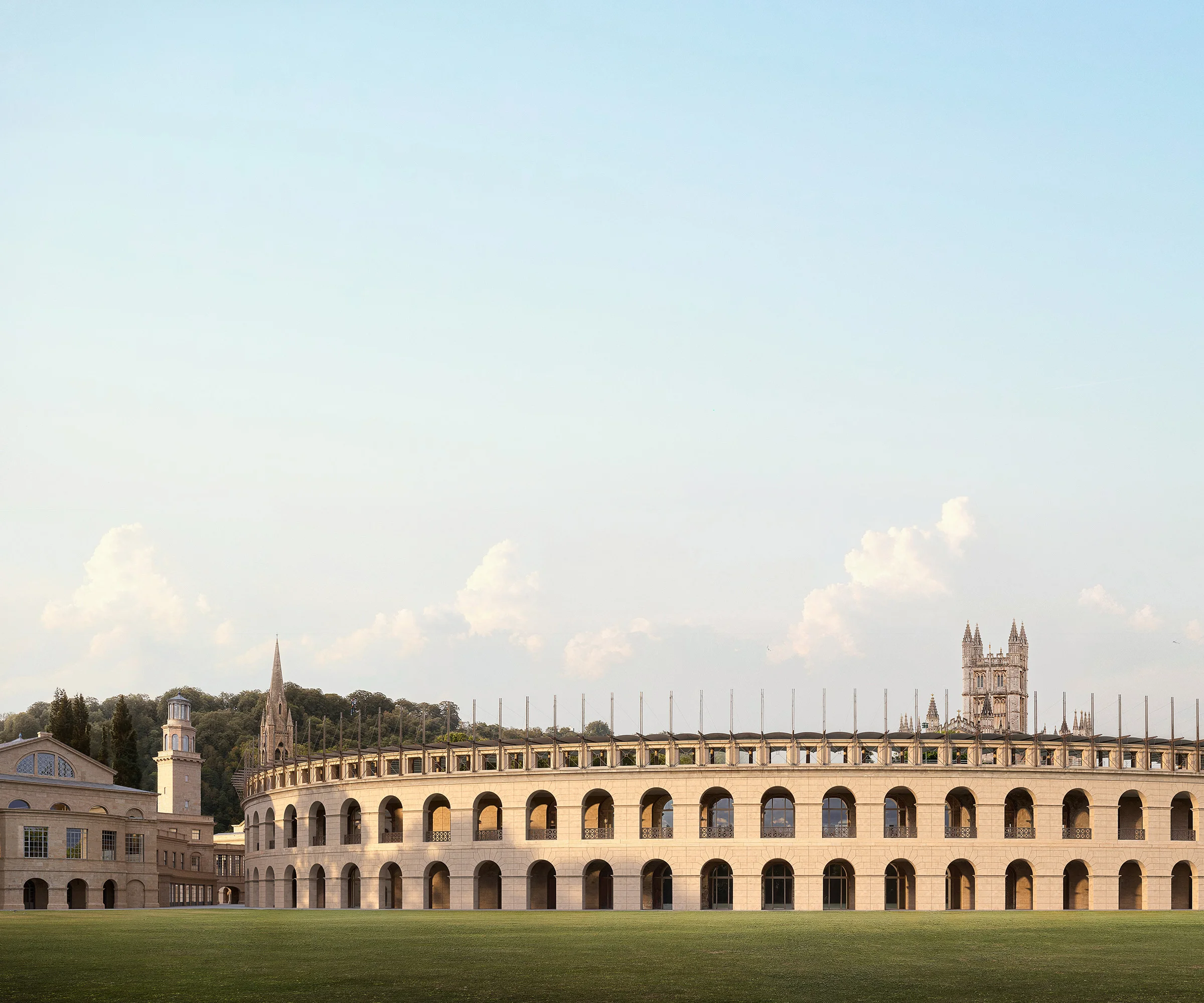

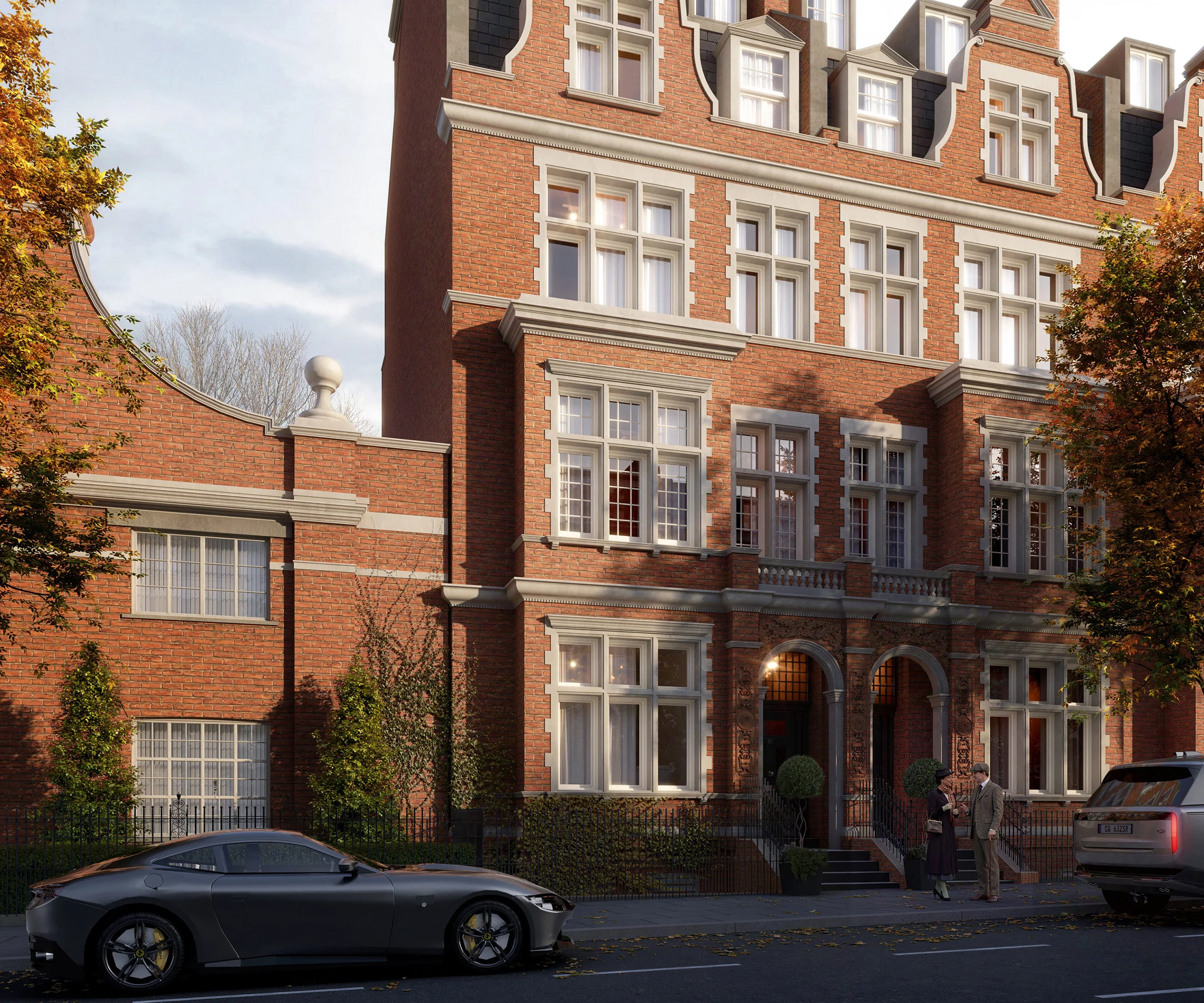
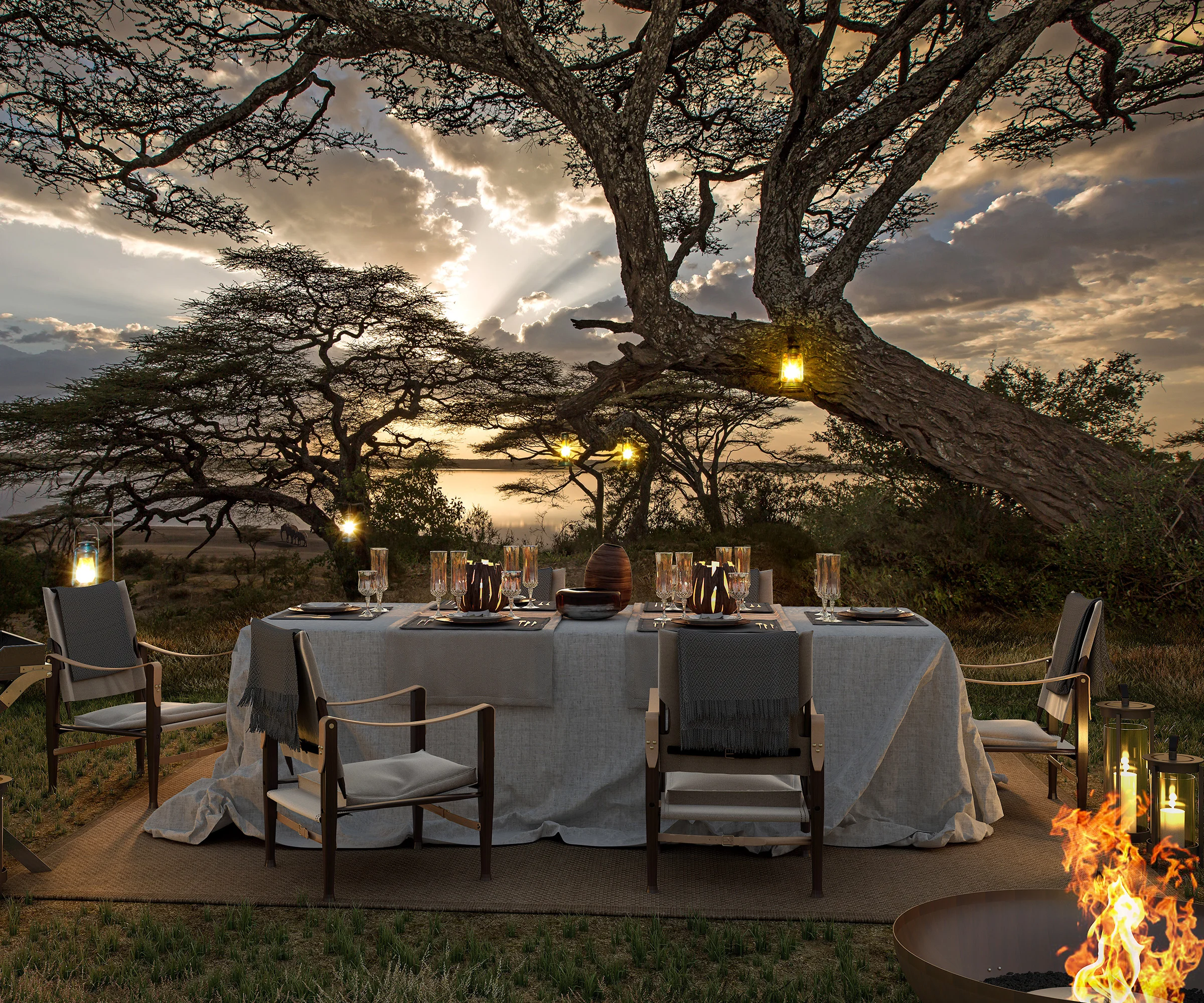
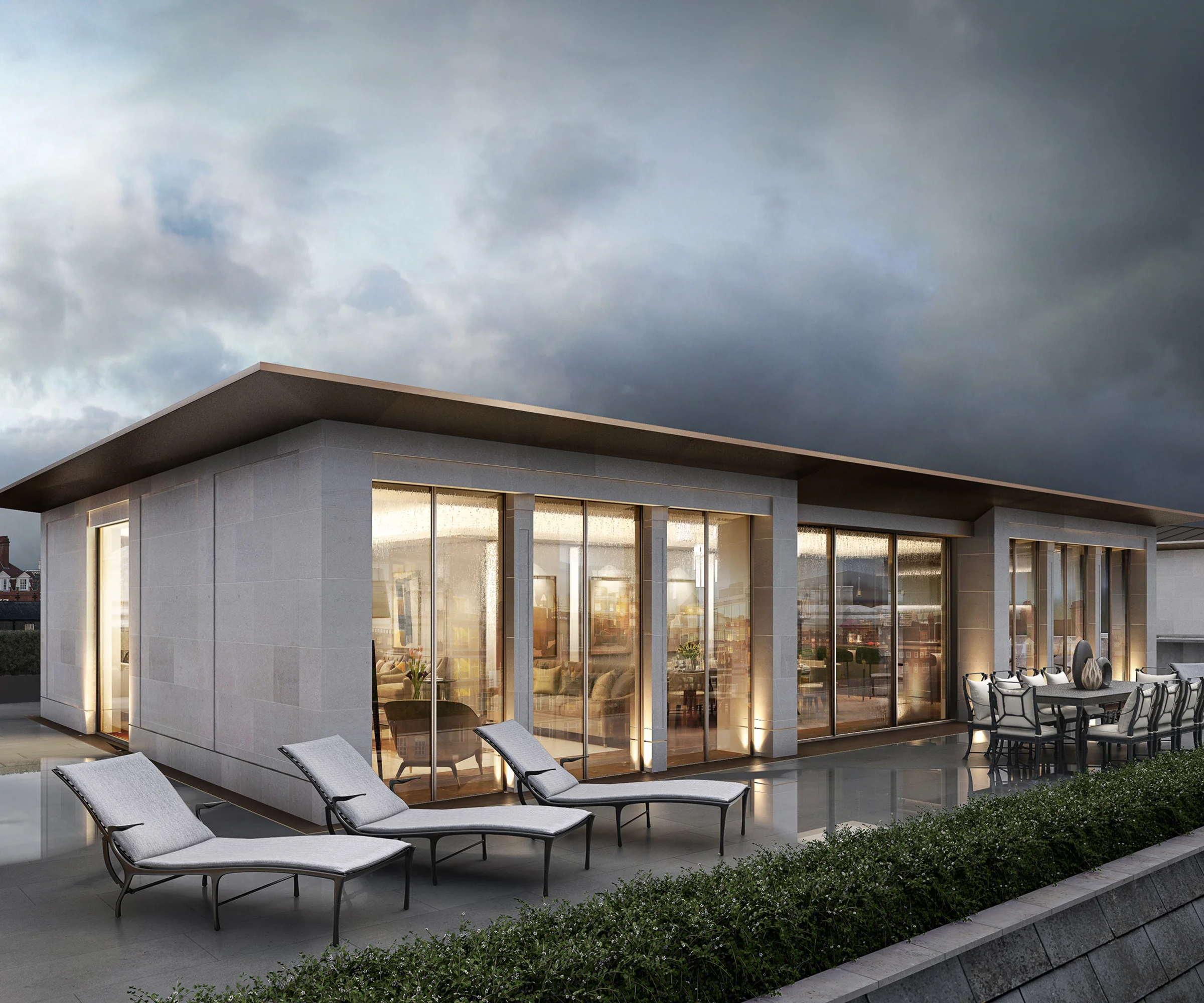
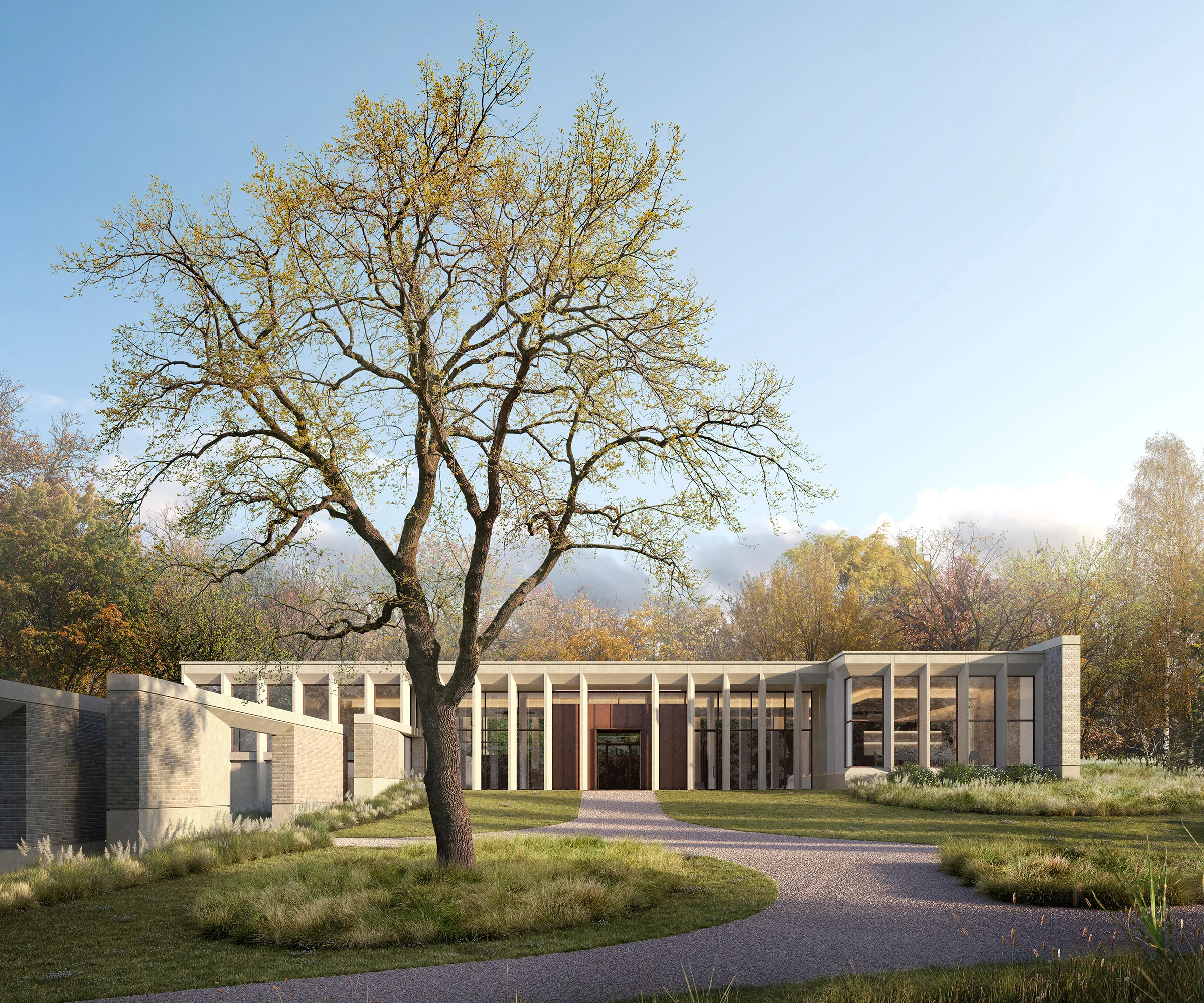
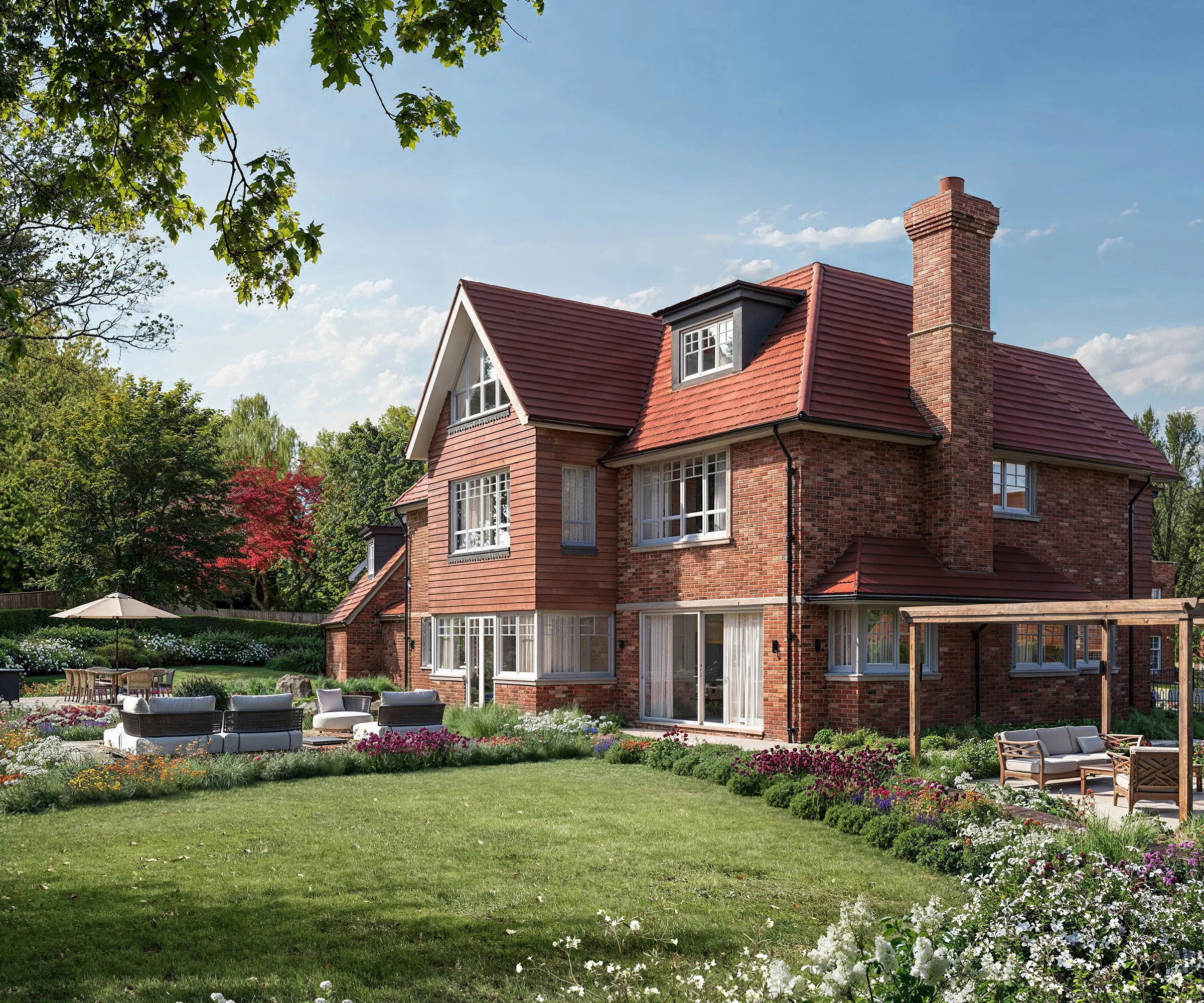
Aesthetic intelligence for developments where visual decisions carry consequence.
Make it credible.
Most visual risk is invisible until it is irreversible. Schemes are refused, investments are written down, reputations are damaged, not because the architecture failed, but because the visual argument was never made.
Planning committees judge schemes visually. Investors assess quality through imagery. Communities form opinions from a single render. Yet most development teams treat visual communication as a production task rather than a strategic discipline.
The result: technical compliance without visual credibility. Schemes that satisfy policy but fail to persuade. Images that show what something looks like without demonstrating why it belongs.
Aesthetic intelligence is the discipline of understanding what visual decisions communicate, to whom, and with what consequence.
A framework for assessing visual credibility across five dimensions. Each dimension identifies a different category of risk, and a different opportunity to strengthen the visual case.
Does the image tell the truth? Accuracy of geometry, materials, lighting, and context. The foundation of defensibility.
Who is this image speaking to? Planning officers require different visual evidence than investors or end purchasers.
Is the design intention clear? Proportion, hierarchy, and compositional logic must be immediately readable.
Does the image elevate perception? The difference between technical compliance and genuine desirability.
Is the craft commensurate with the ambition? Quality of production signals quality of intent.
Aesthetic intelligence applied at the moments that matter: before planning submission, before market launch, before visual decisions become locked.
Pre-submission assessment of visual vulnerability. We identify where imagery may undermine the planning case, where technical accuracy is compromised, and where visual arguments are missing entirely. Delivered as a structured report with actionable recommendations.
Visual positioning for schemes where perception is contested. We define what the imagery must achieve, for which audiences, and in what sequence. Strategic counsel before production begins.
When imagery must be produced to planning-grade standards, we deliver CGI and verified views with full methodology documentation. AVR to TGN 06/19 Type 4 where required. Imagery built to withstand scrutiny.
Independent assessment of third-party visual material for legal, planning, or investment due diligence. When you need to know whether the imagery can be trusted.
Twenty-five years of visual production across sectors, scales, and sensitivities. The craft that underpins the counsel.
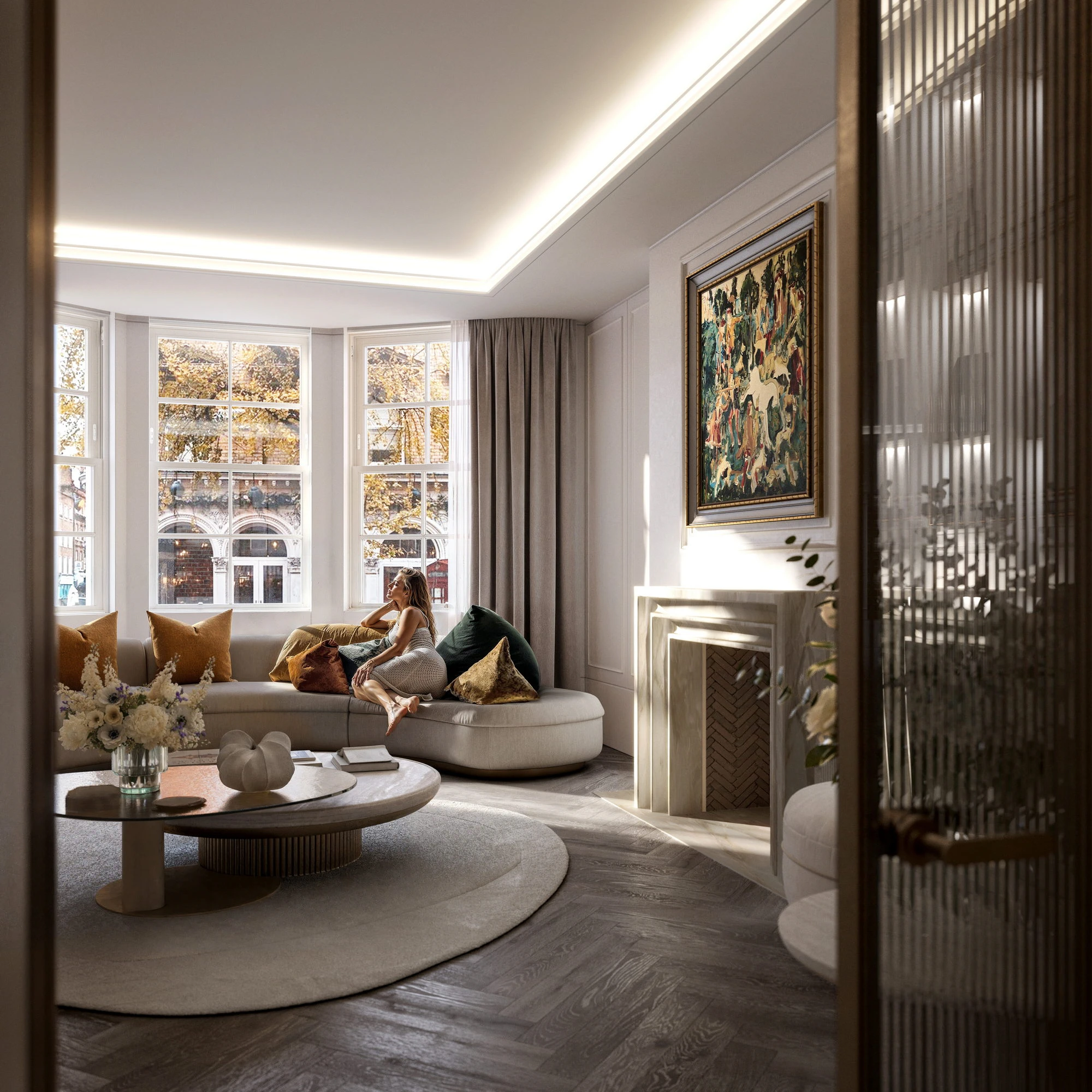
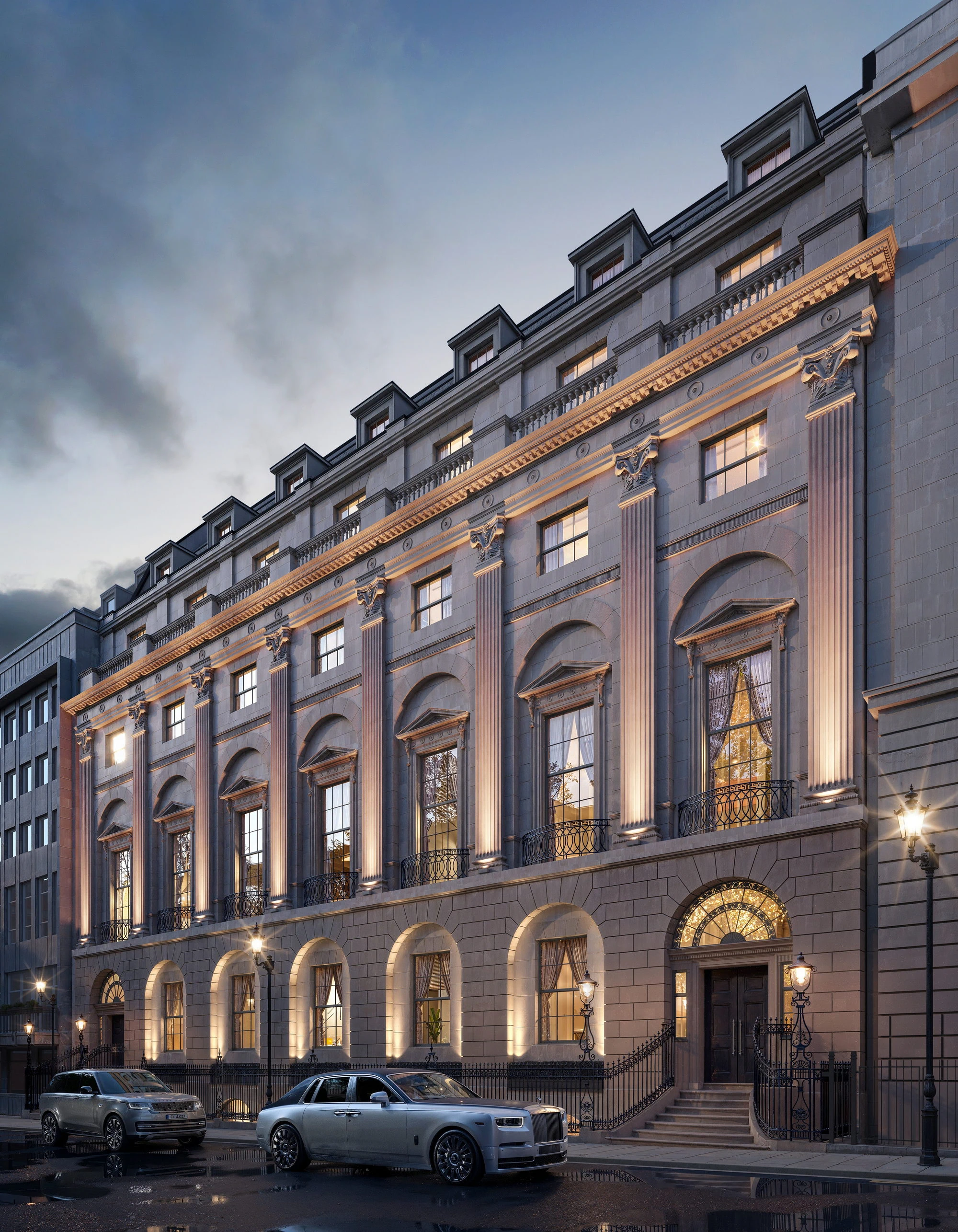

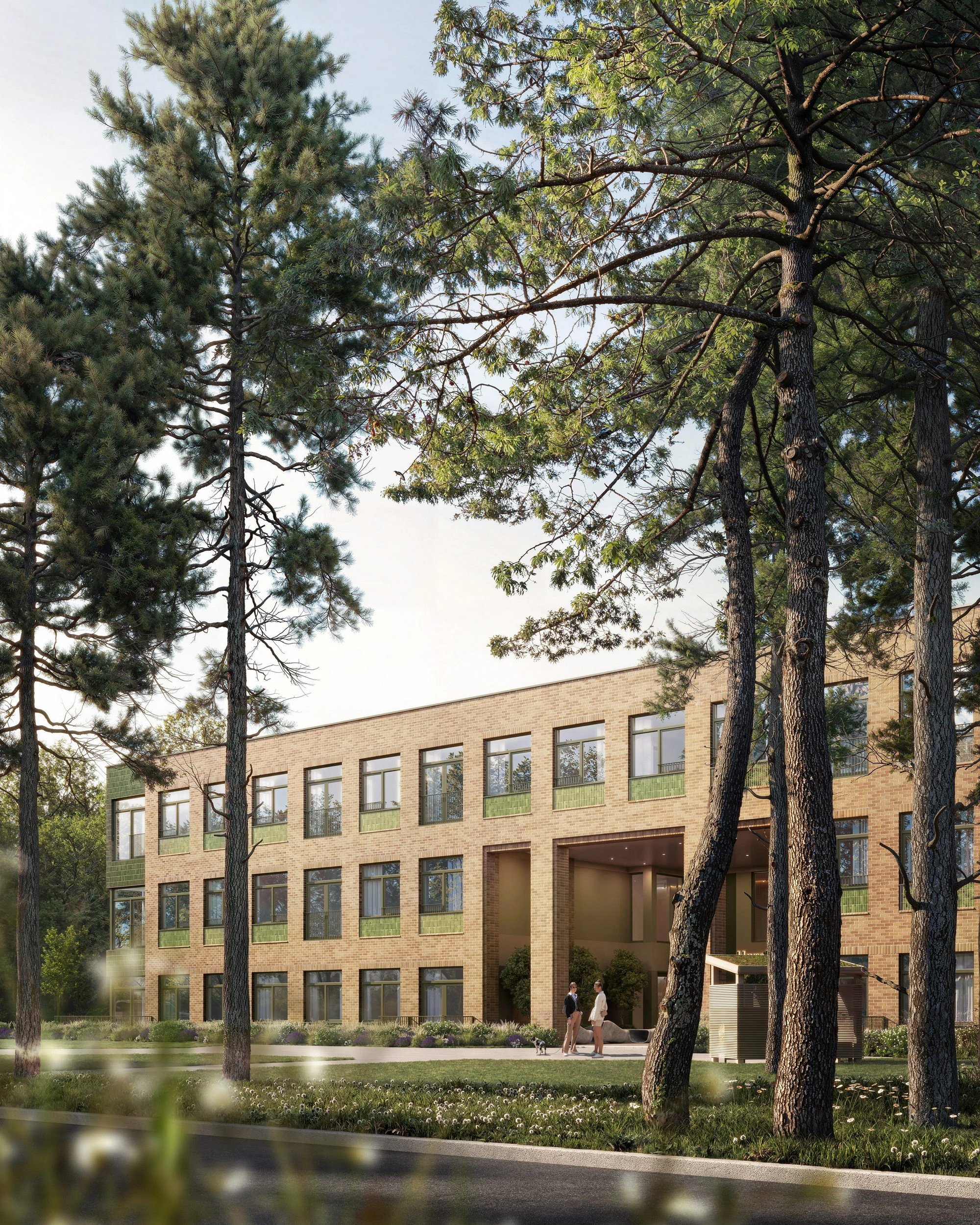
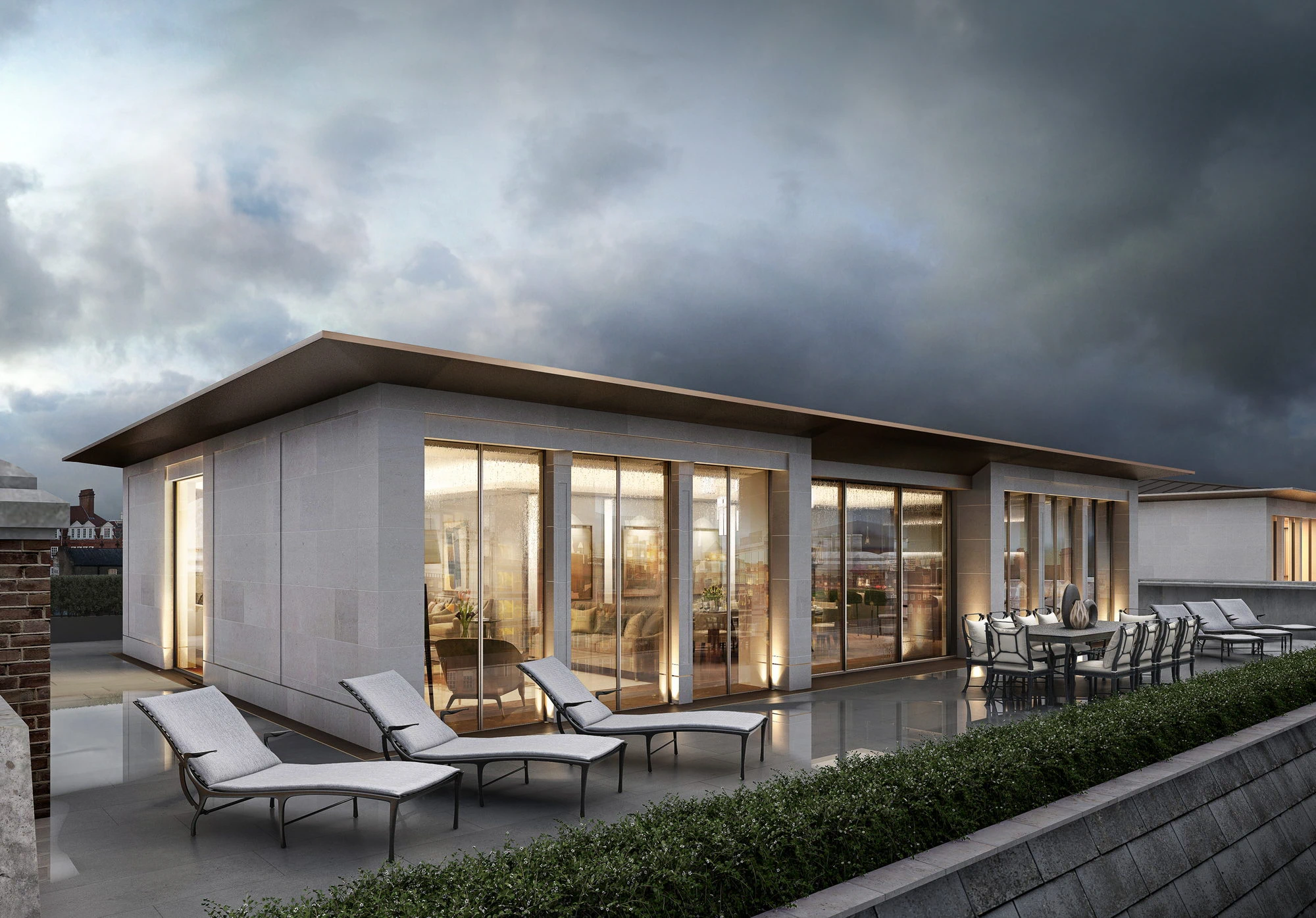
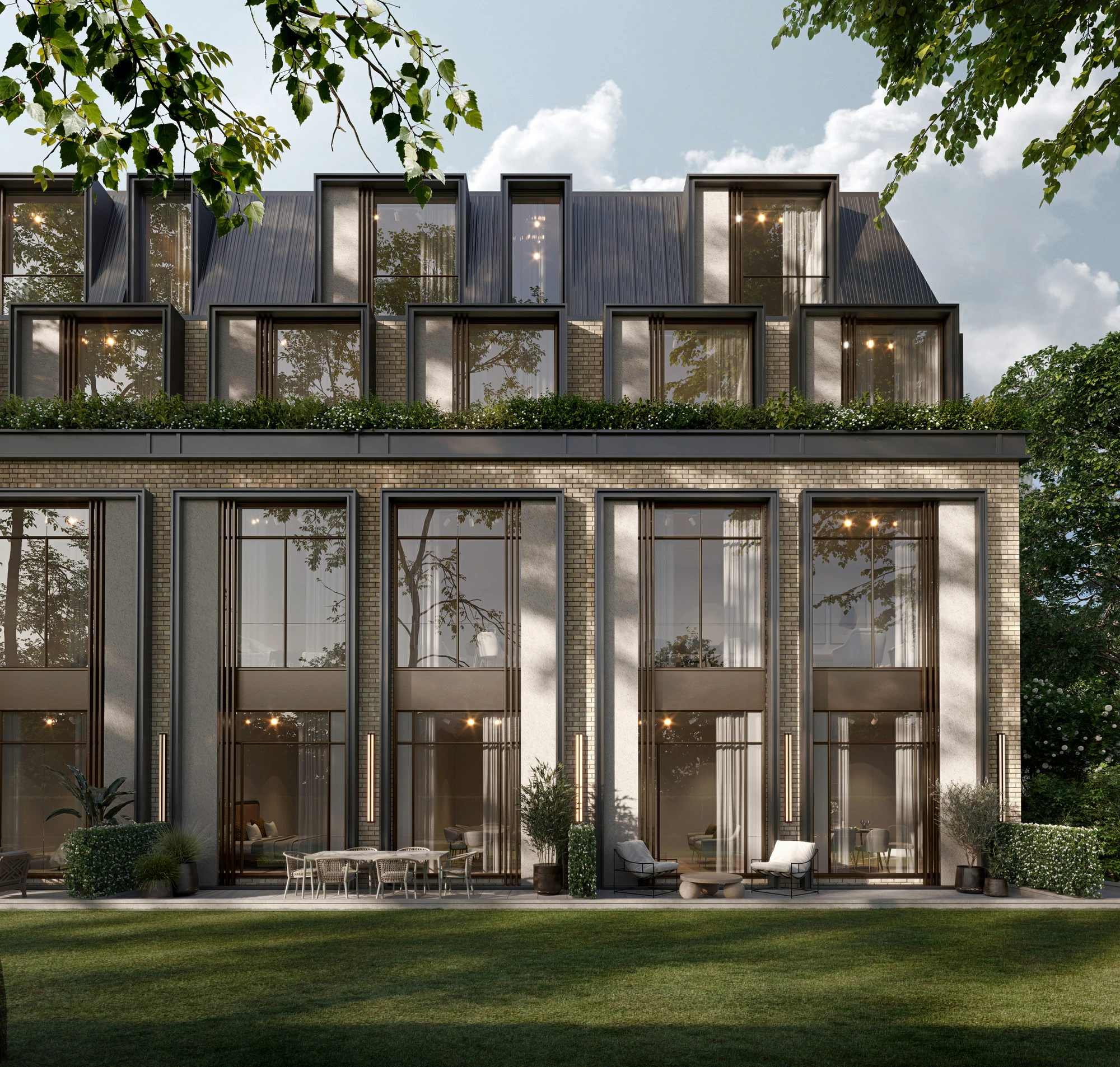
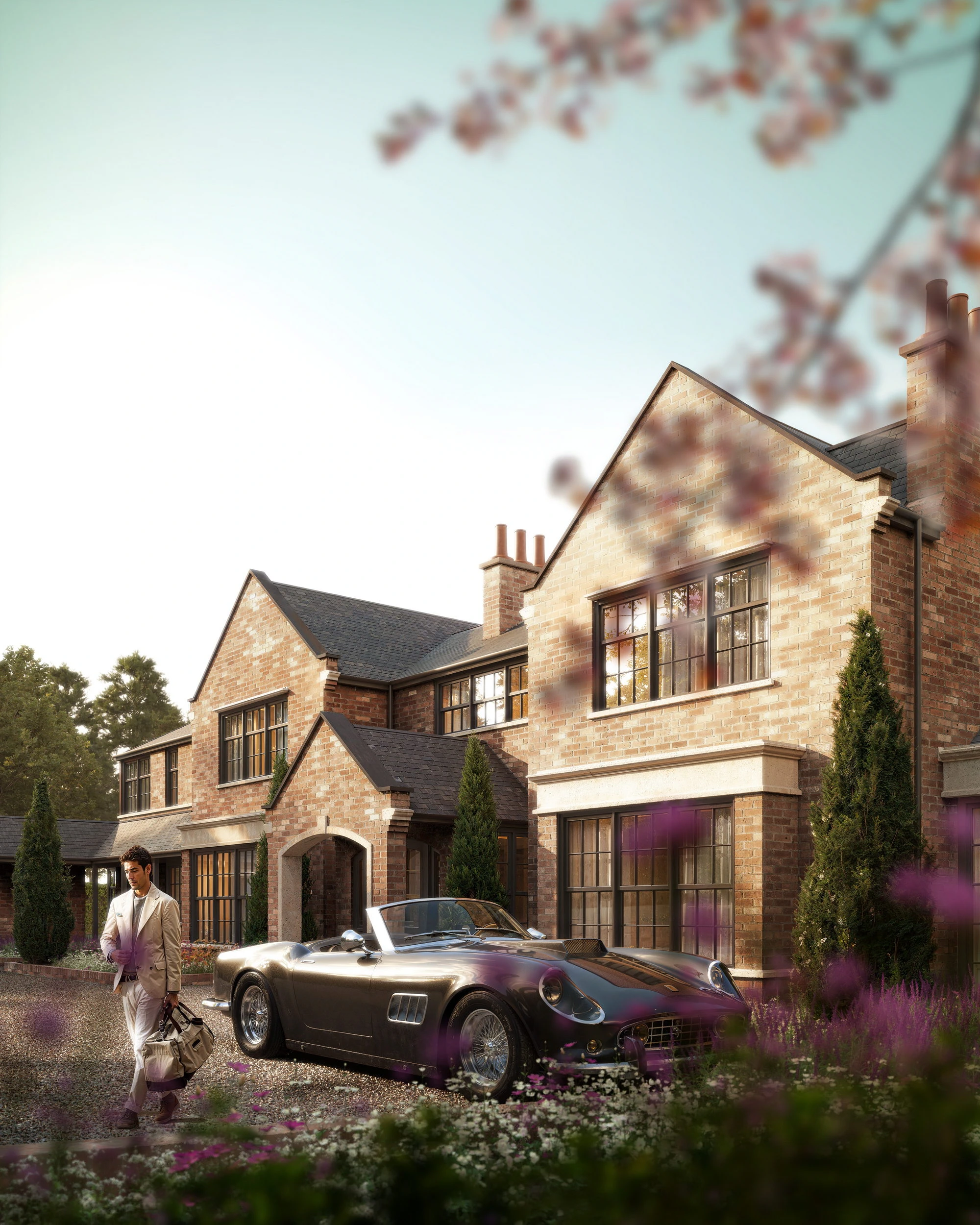


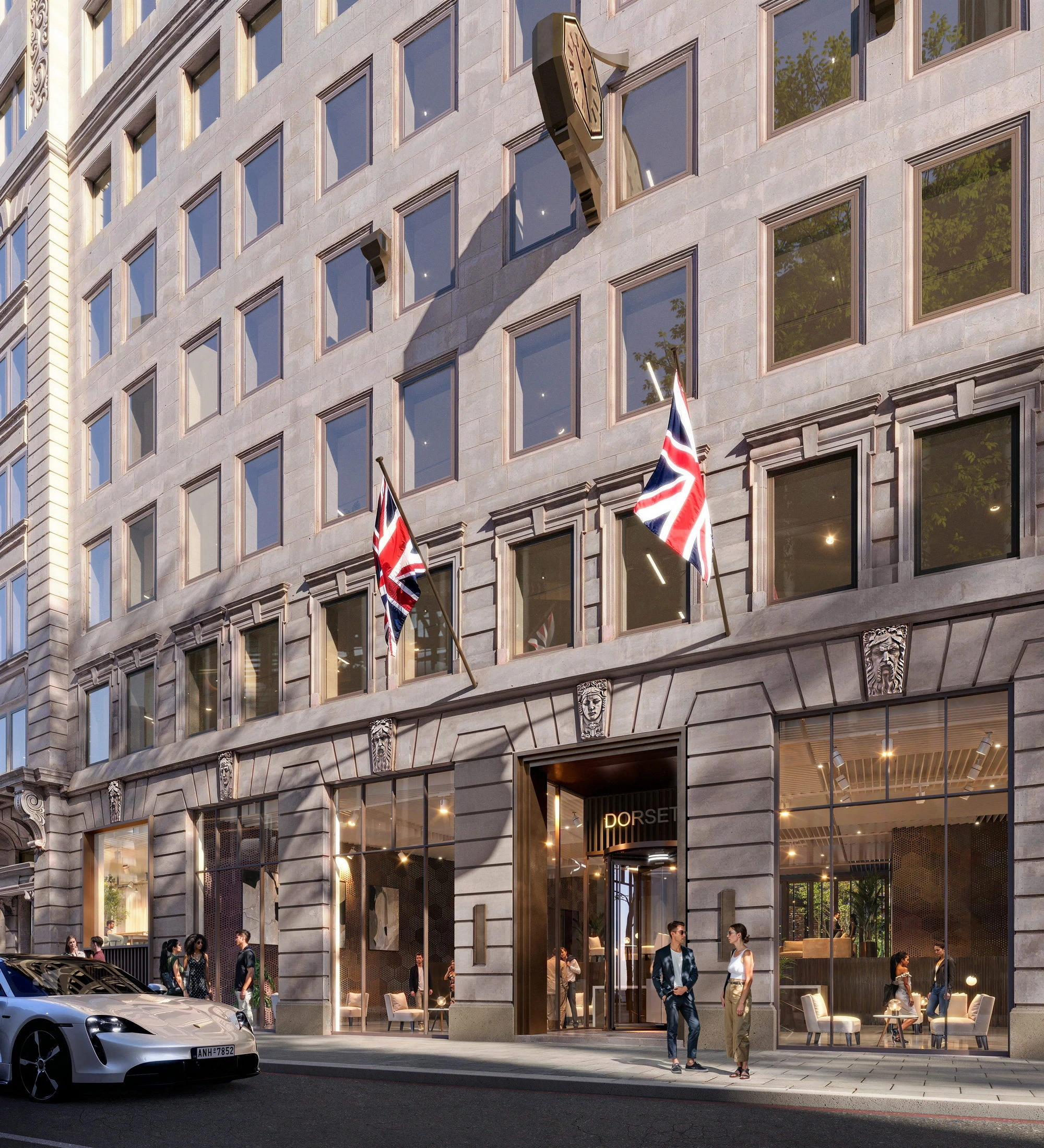

Aesthetic intelligence requires an unusual combination of disciplines. Architecture provides the technical foundation. Art market training reveals how value is constructed and perceived. Theological aesthetics offers a framework for understanding beauty as objective rather than subjective, as information rather than preference.
Shane Gee brings twenty-five years of visual practice to this synthesis: architectural qualification at honours level, training at the Sotheby's Institute of Art, graduate study at LSE, and ongoing theological research into the nature of beauty and its relationship to truth.
This cross-disciplinary perspective is the foundation of Advent's approach. Visual intelligence is not about making things look better. It is about understanding what visual decisions communicate, to whom, and with what consequence.
For developments where visual decisions carry consequence.