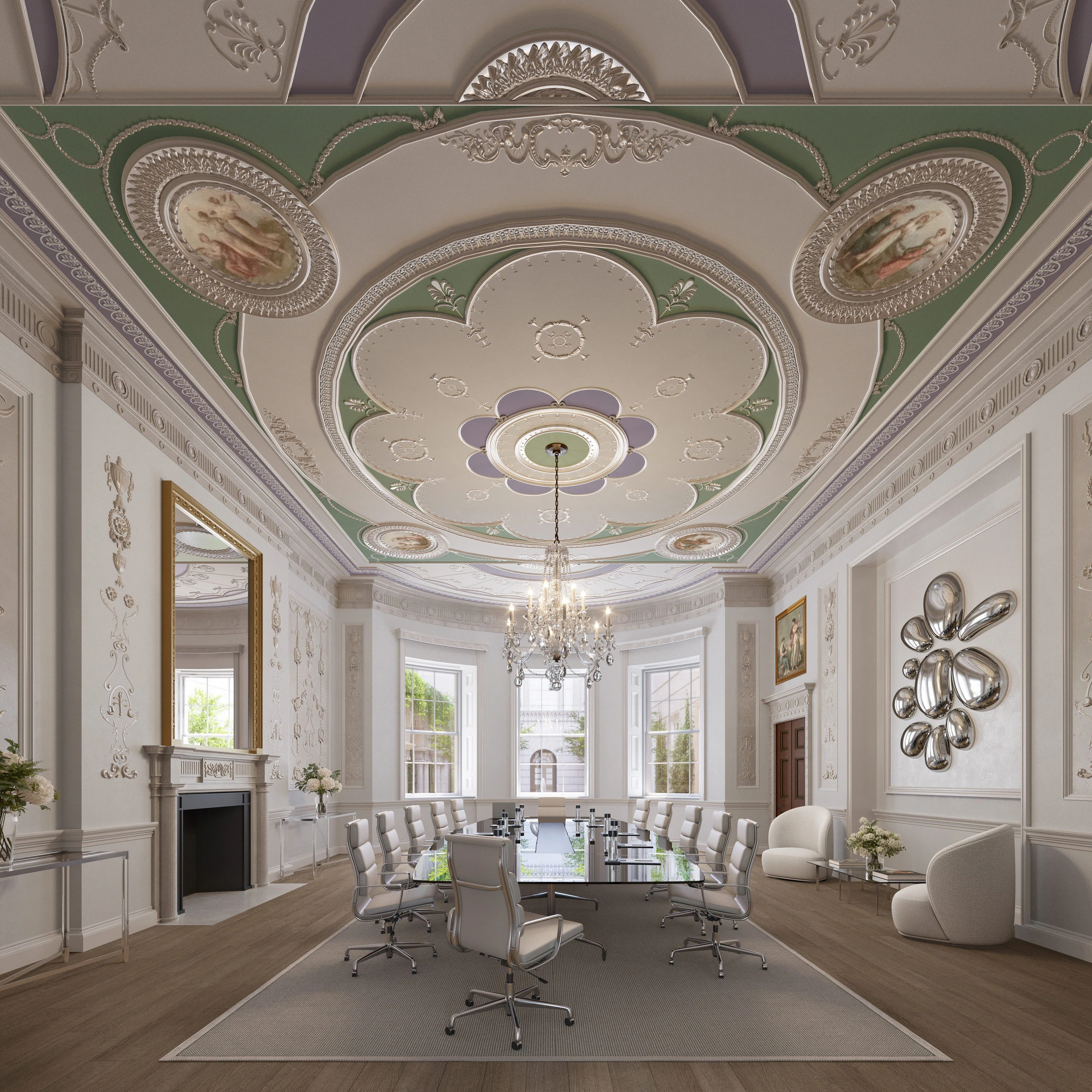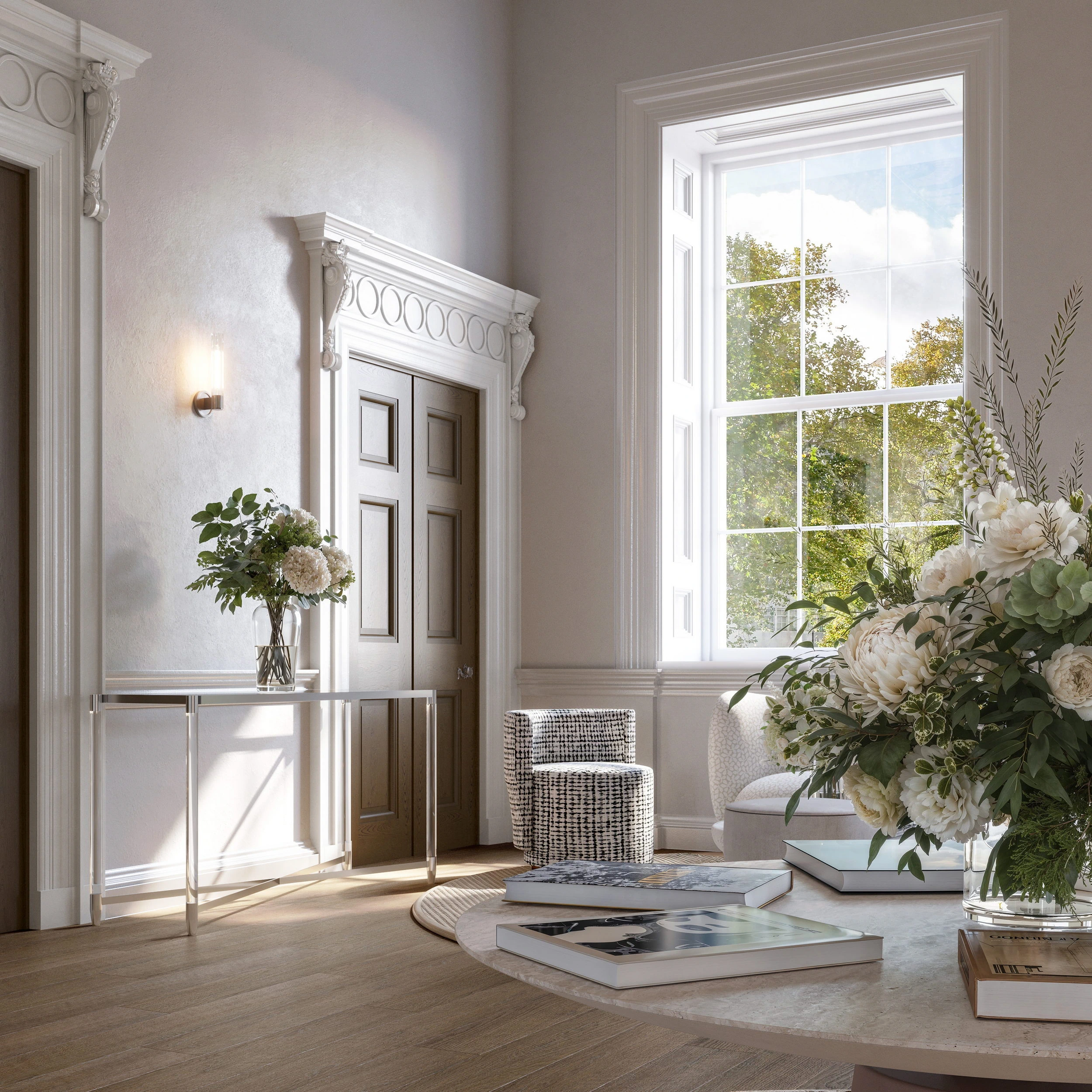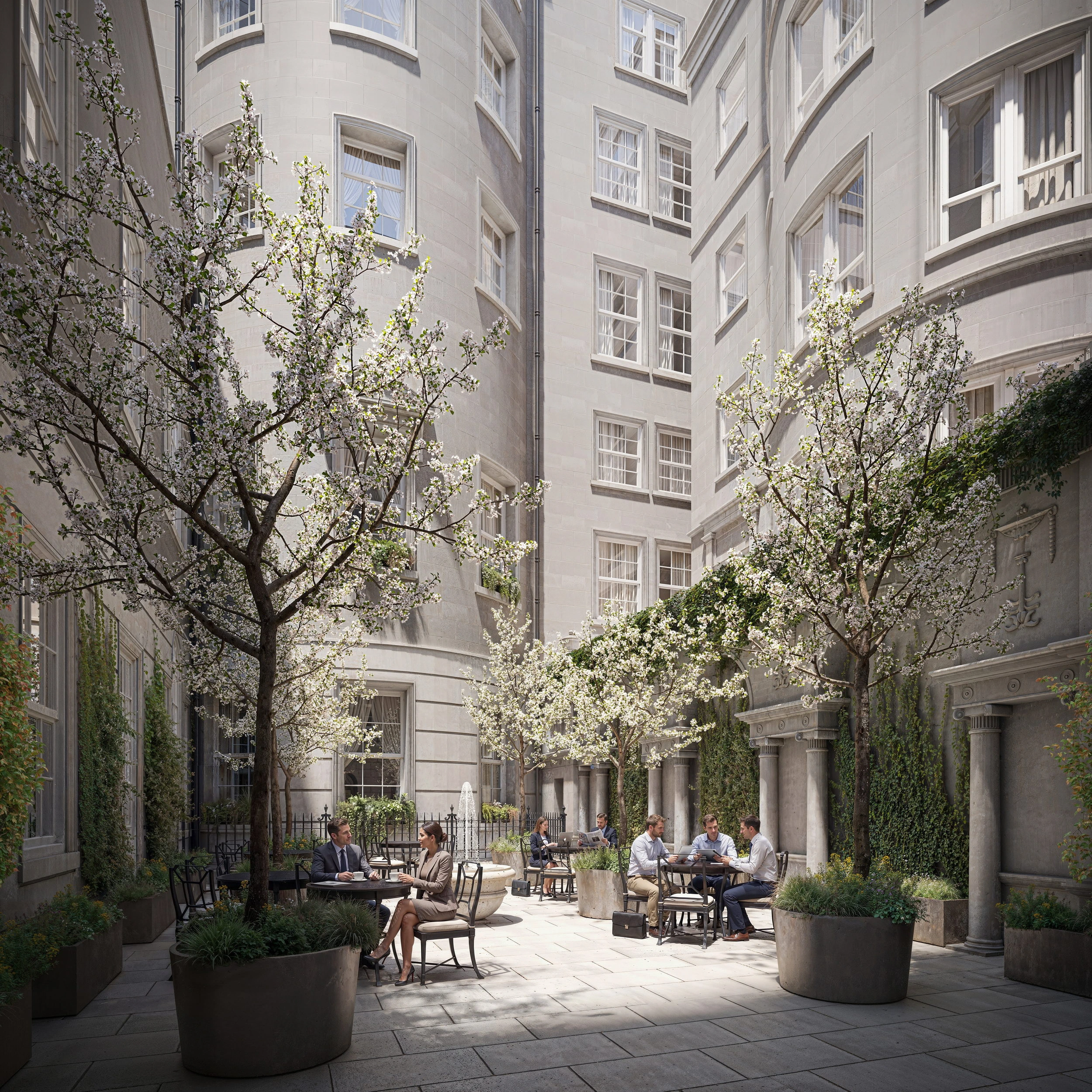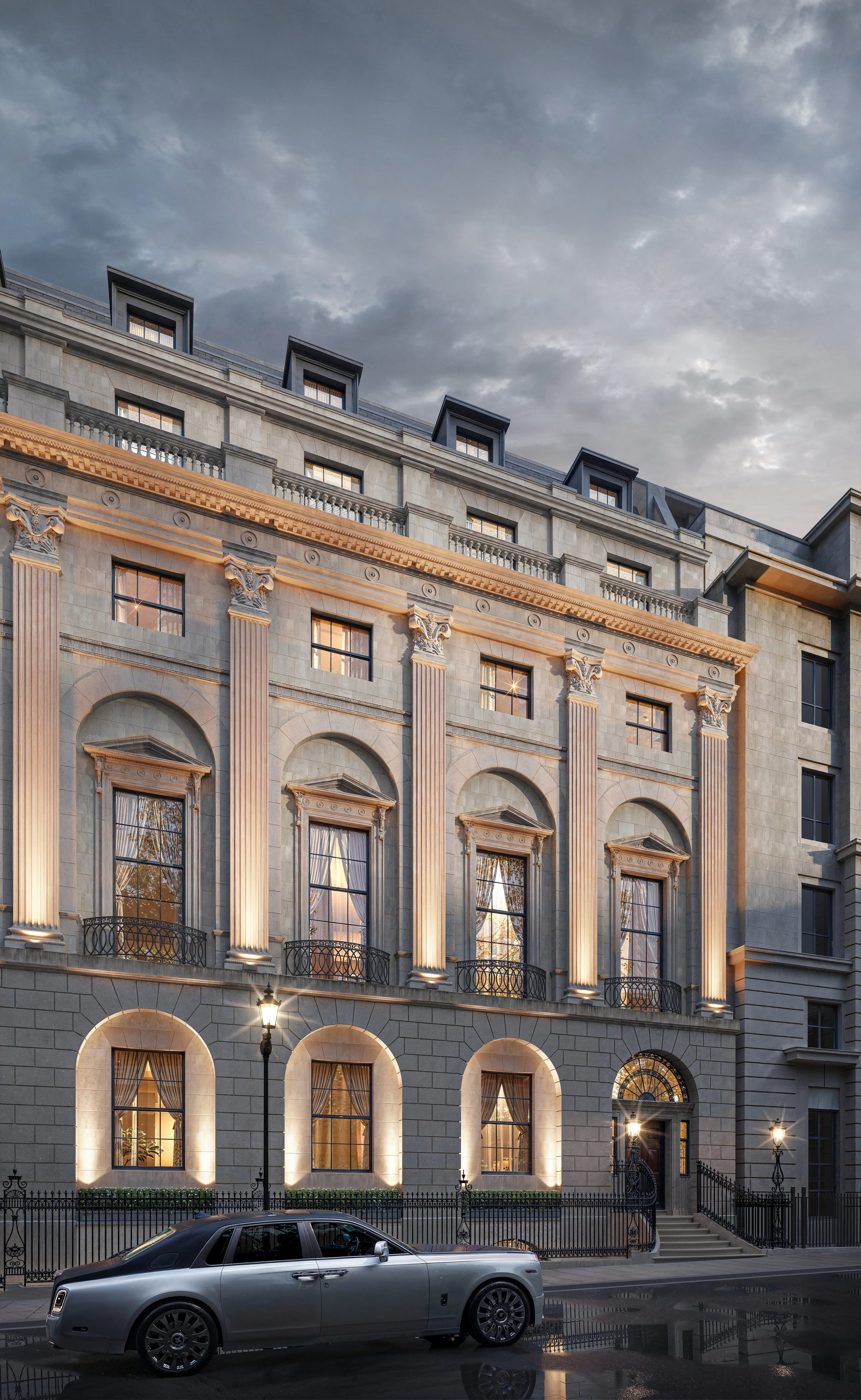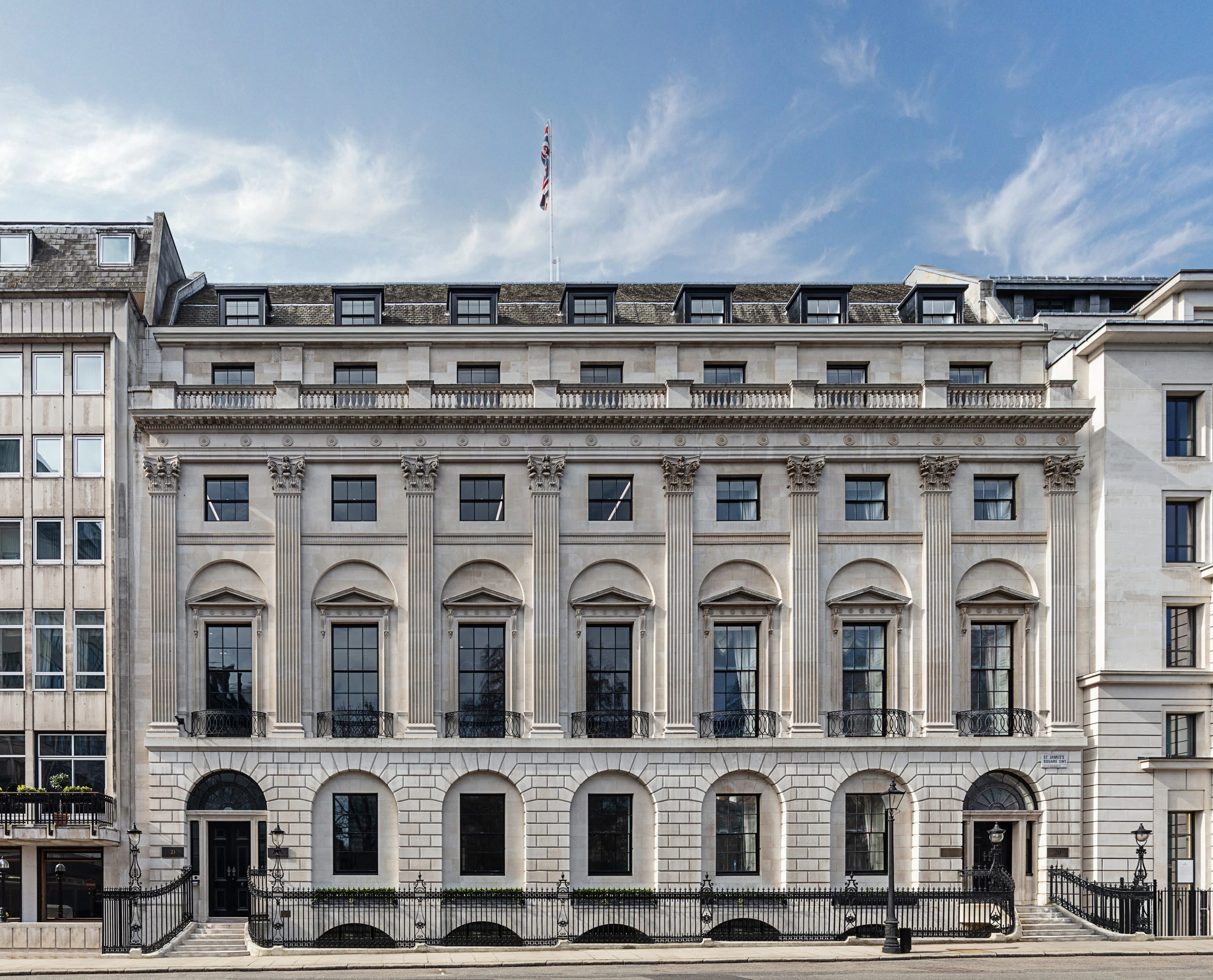
A Grade I listed headquarters building undergoing commercial repositioning. The visual challenge: imagery that could simultaneously satisfy heritage scrutiny and support high-specification leasing in London's most historic commercial address.
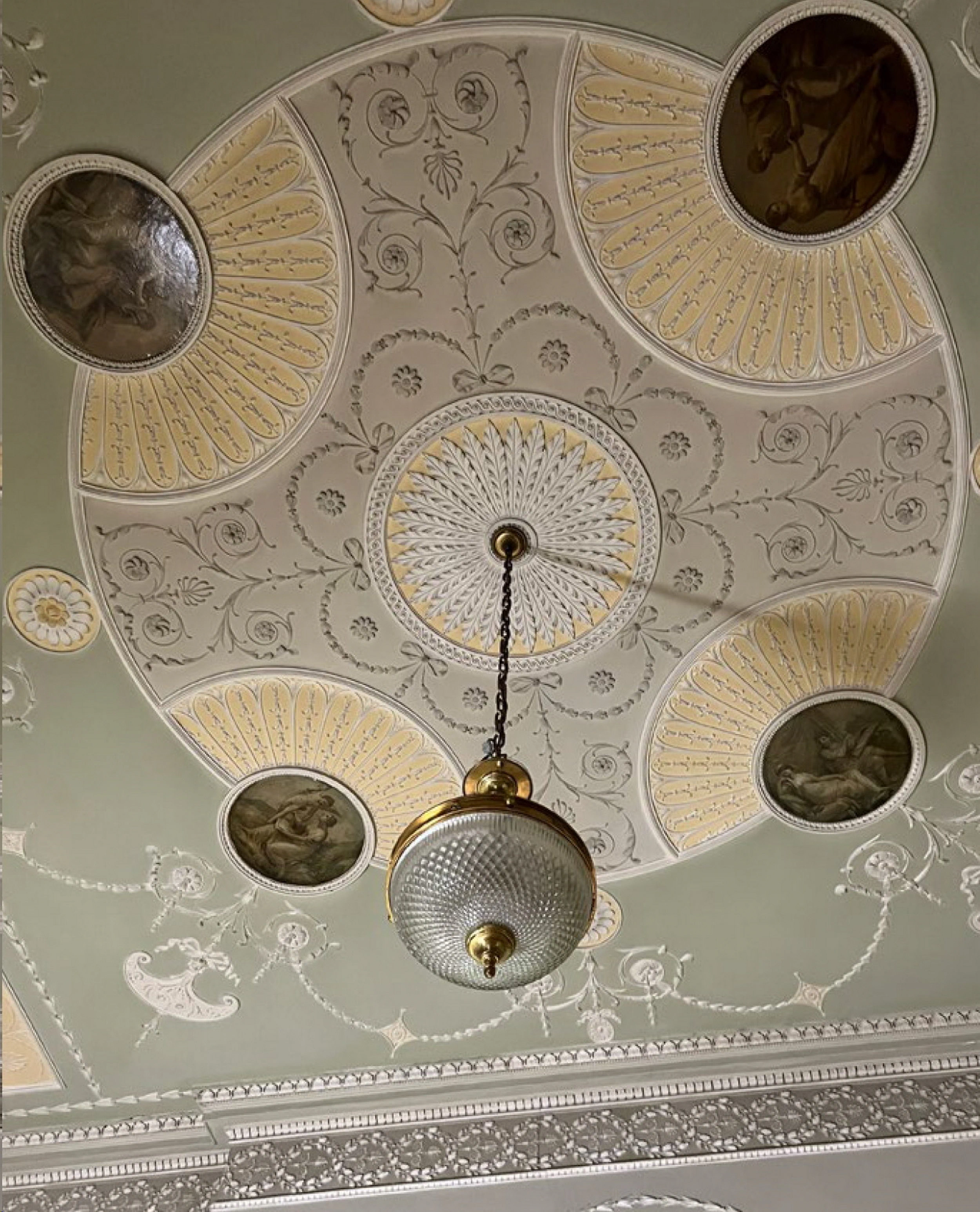
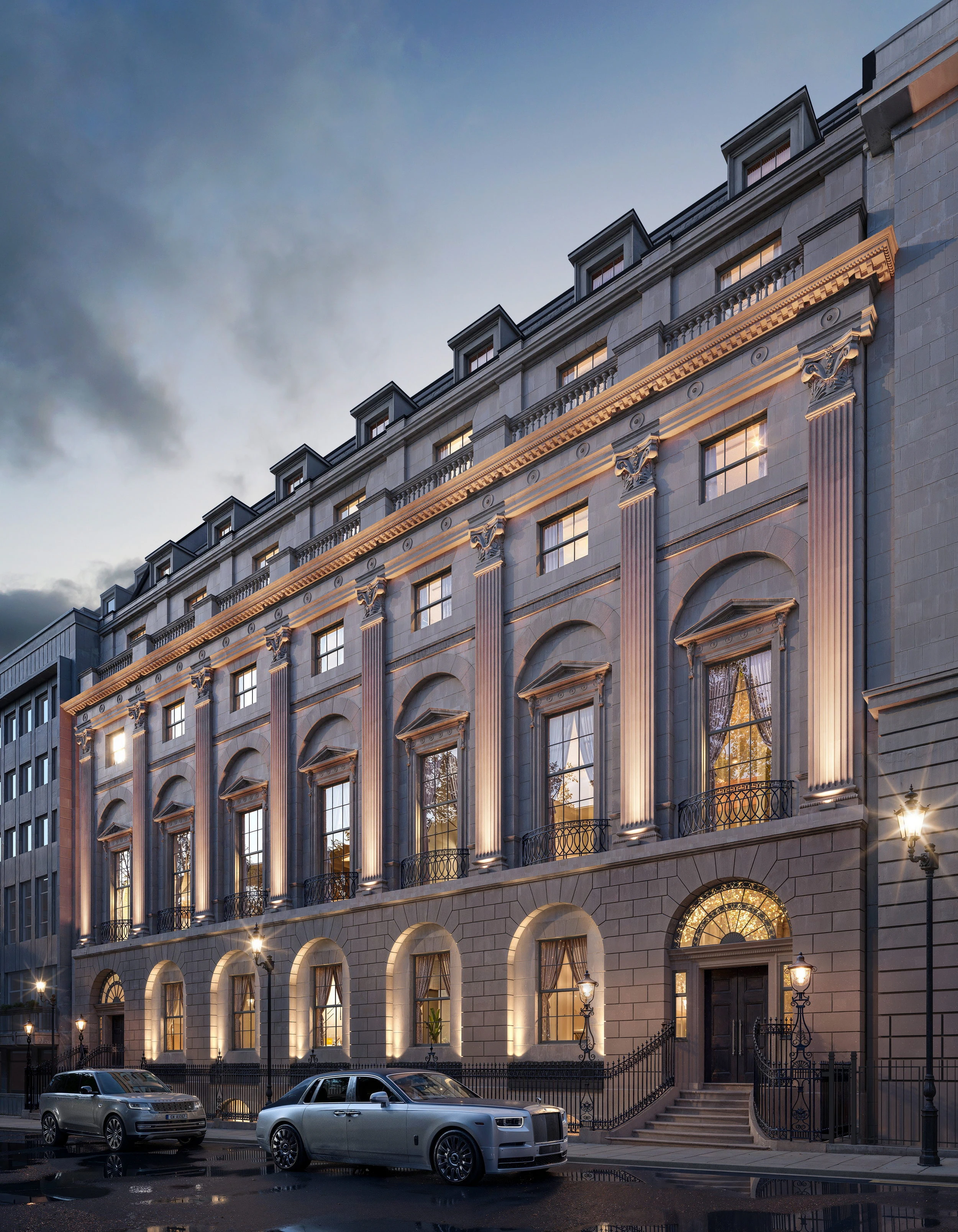
The challenge was not to show what the building could become, but to demonstrate that its transformation would feel inevitable rather than imposed.
Grade I listing creates extraordinary constraints. Every visual representation becomes a promise that will be measured against centuries of architectural significance. The wrong visual language could undermine both heritage consent and commercial confidence.
The risk assessment identified three critical vulnerabilities: material representation that could appear incongruous with historic fabric, lighting that might suggest inappropriate intervention, and compositional framing that could misrepresent spatial relationships.
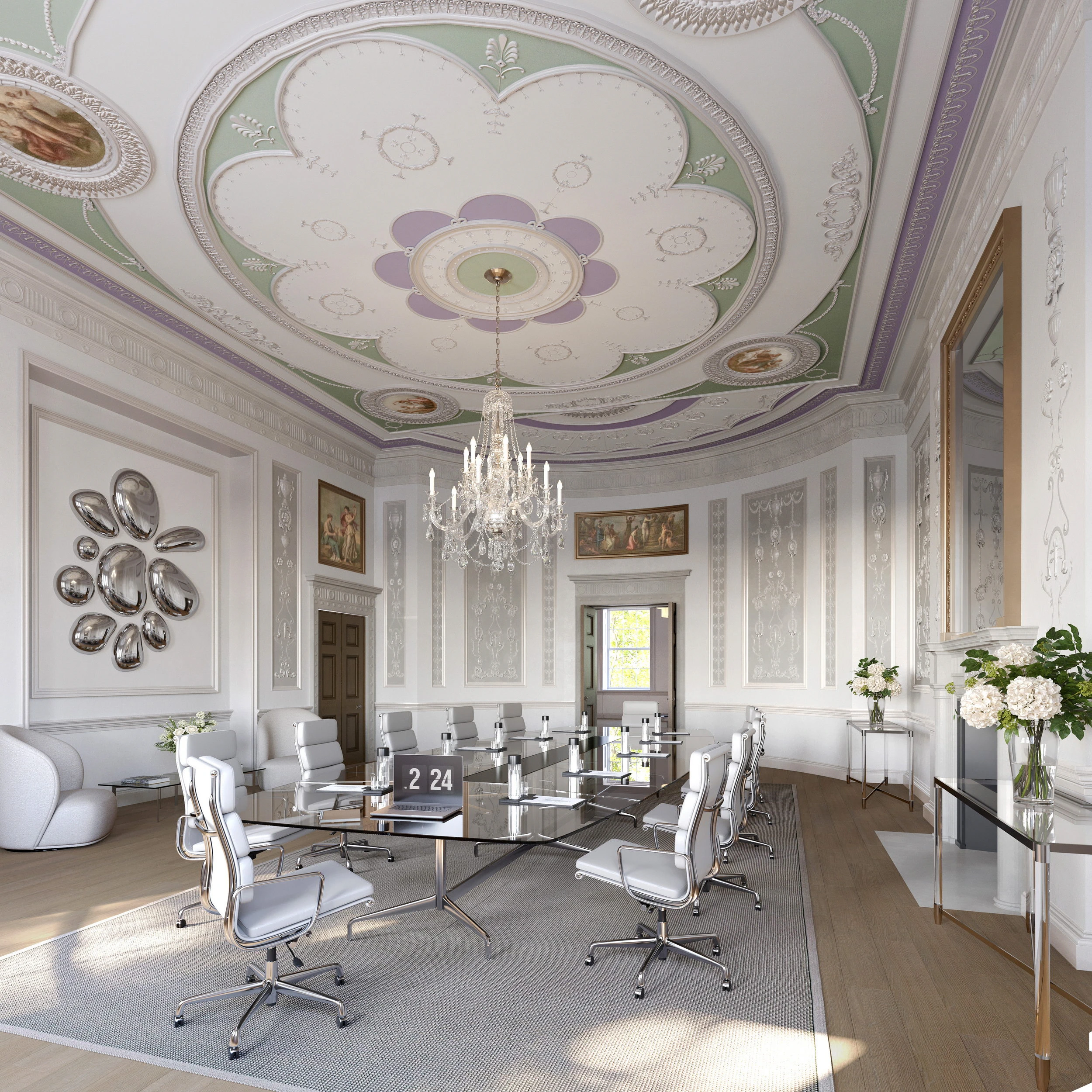
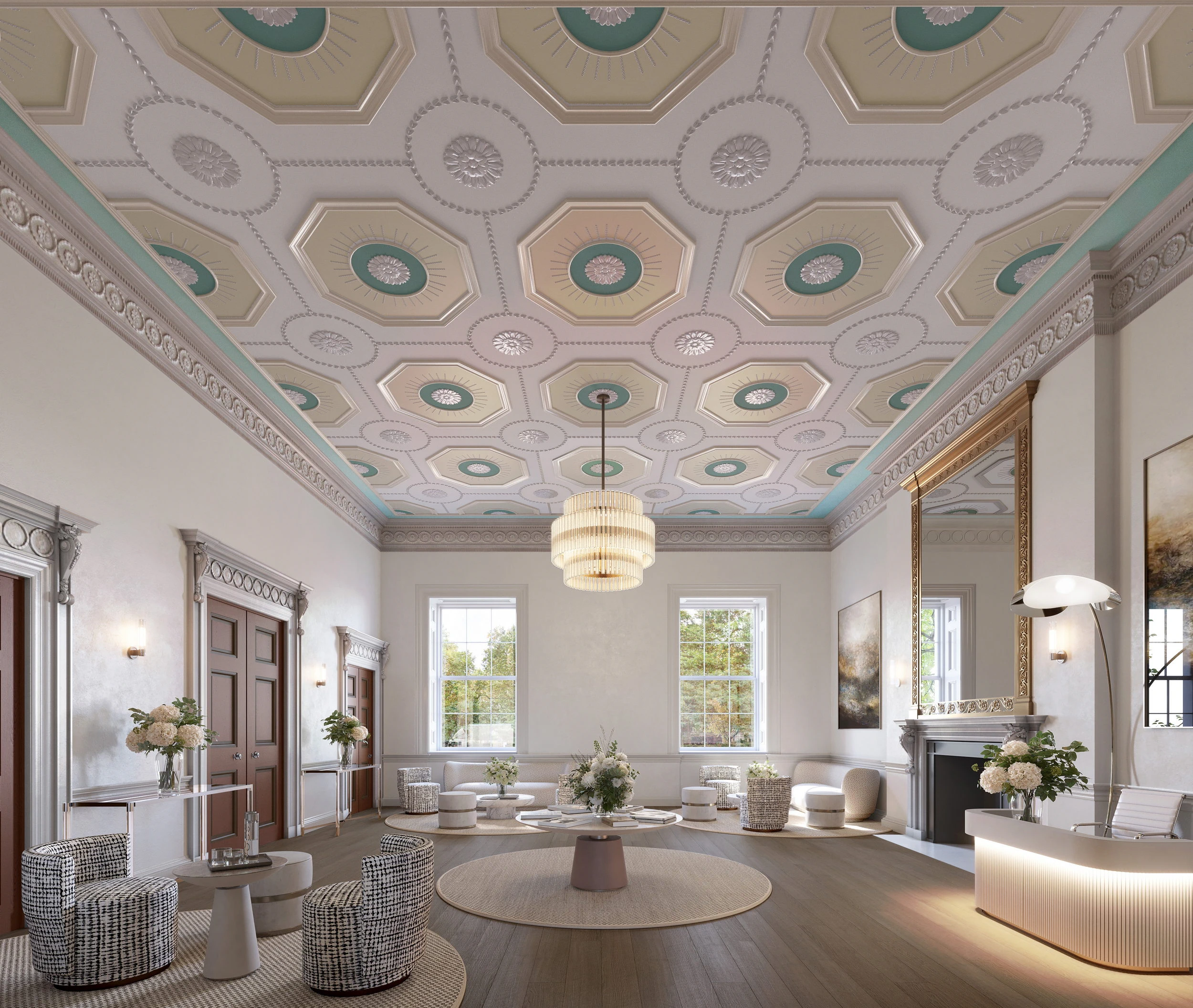
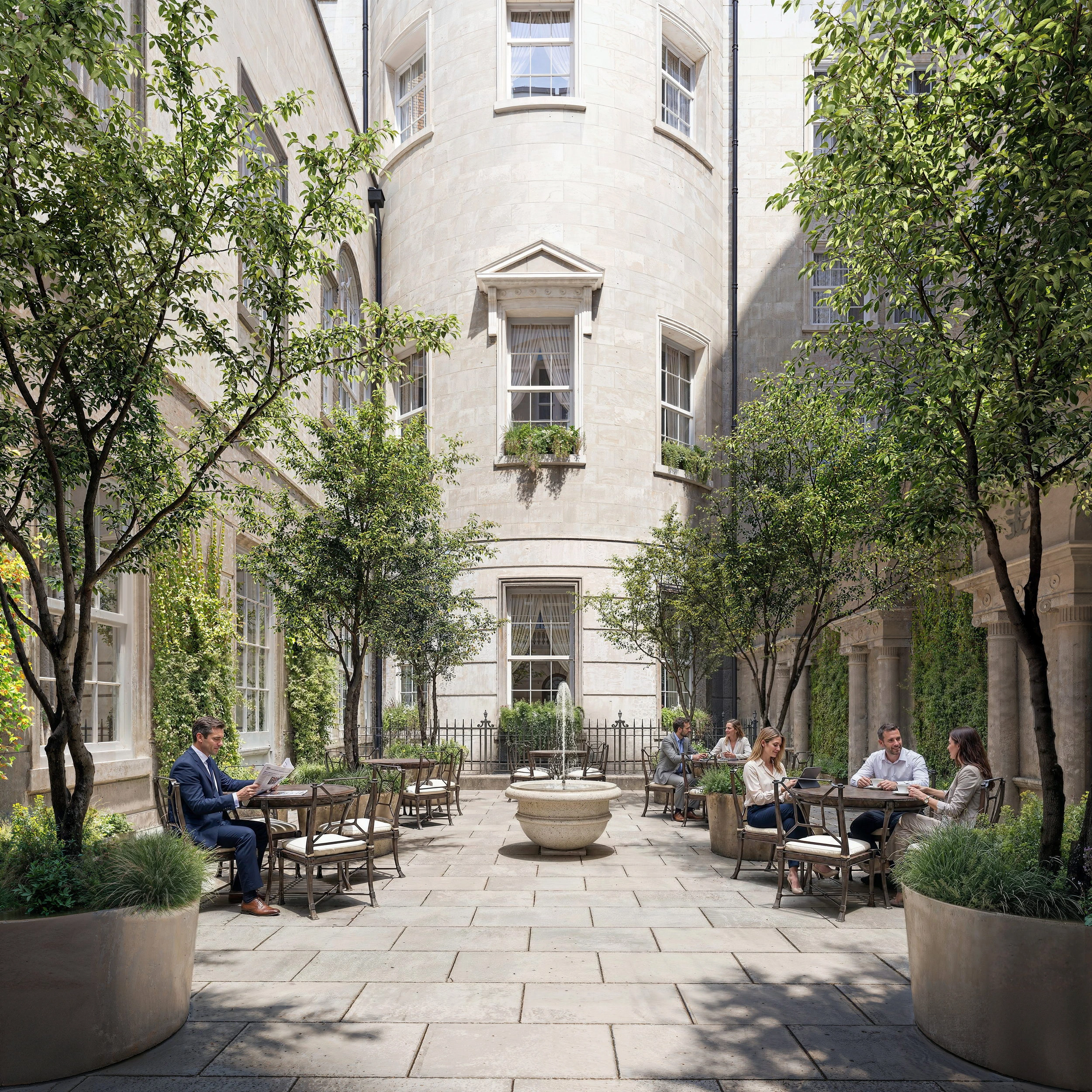
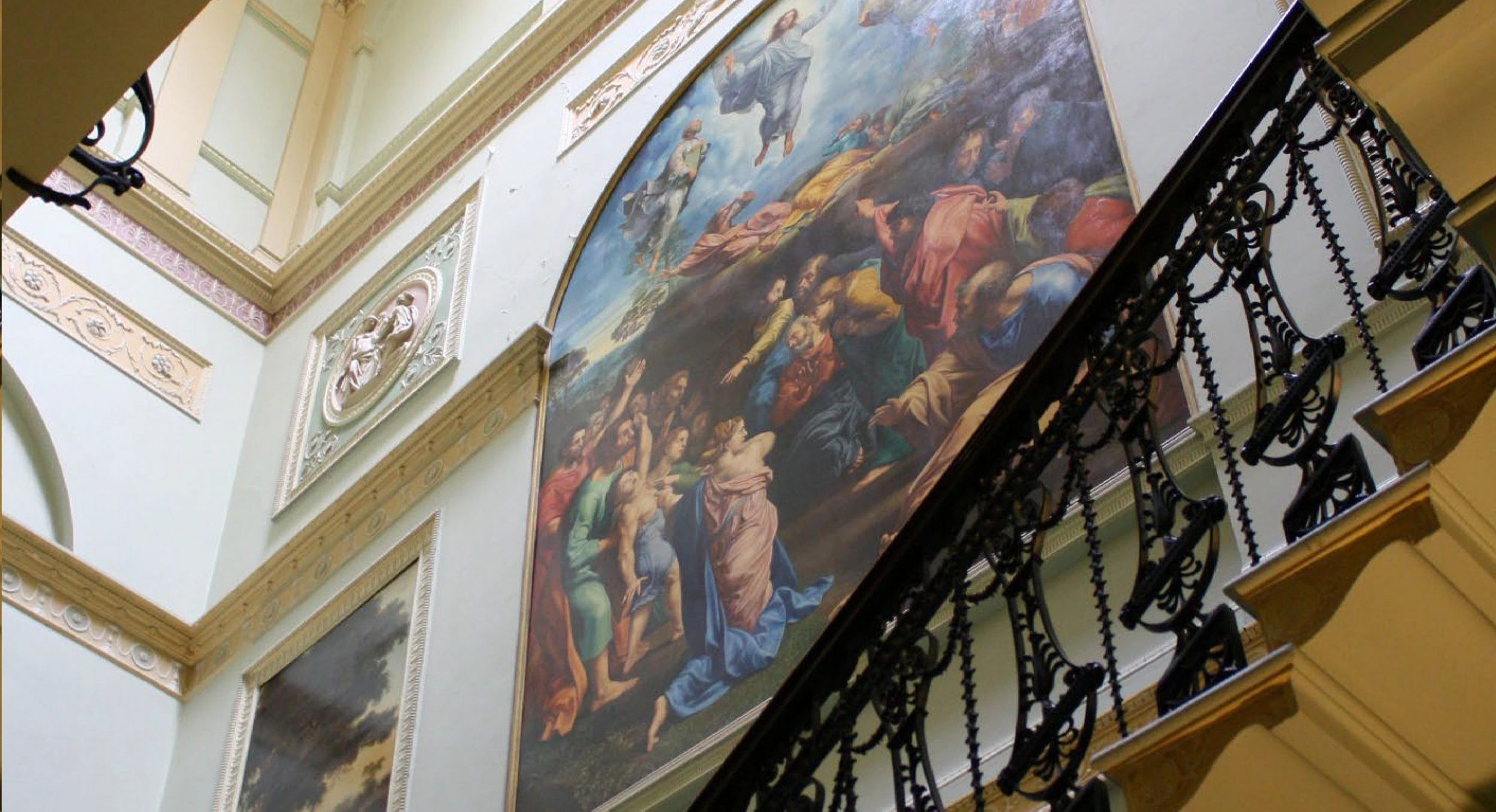
In a Grade I context, restraint is not the absence of ambition. It is ambition disciplined by centuries of precedent.
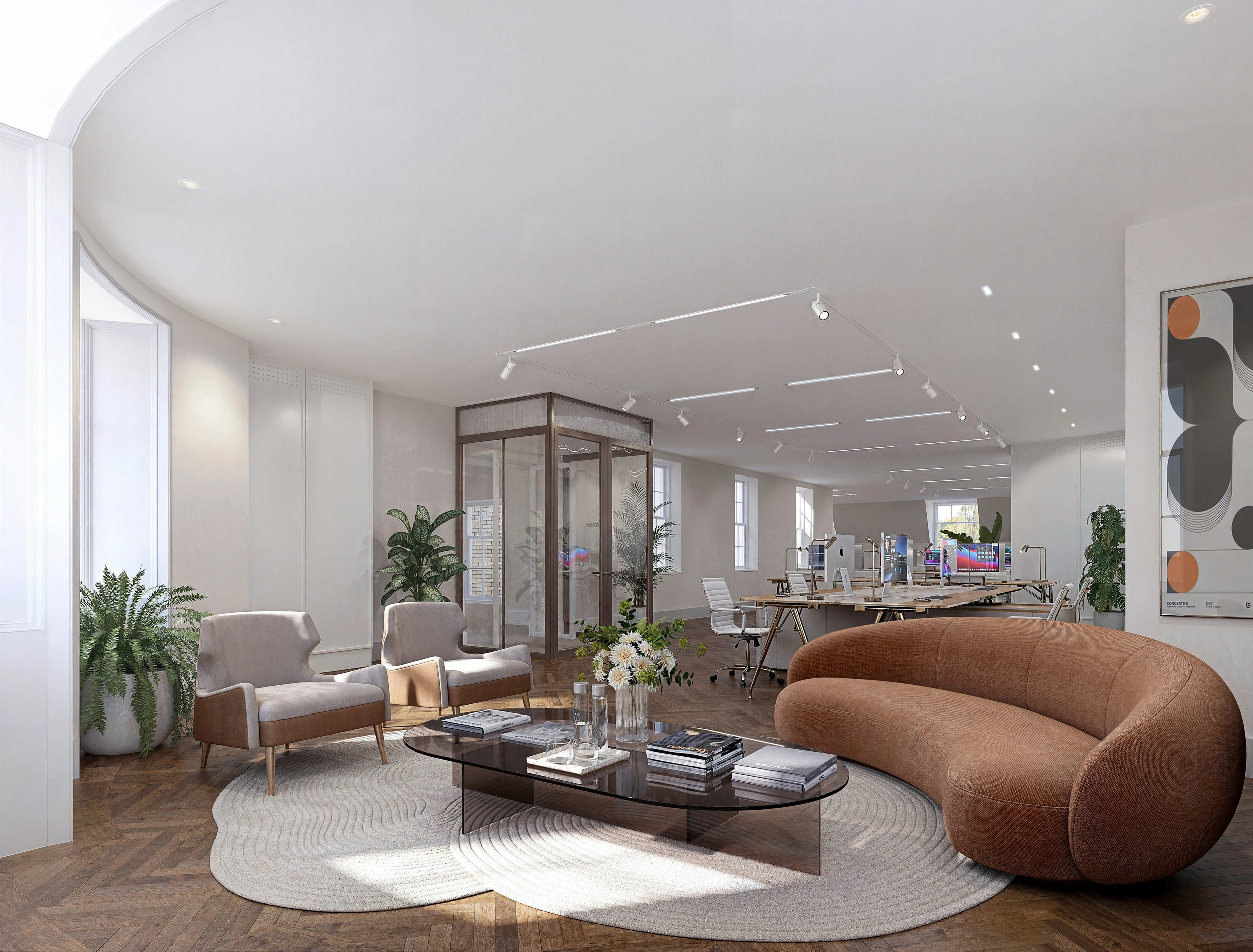
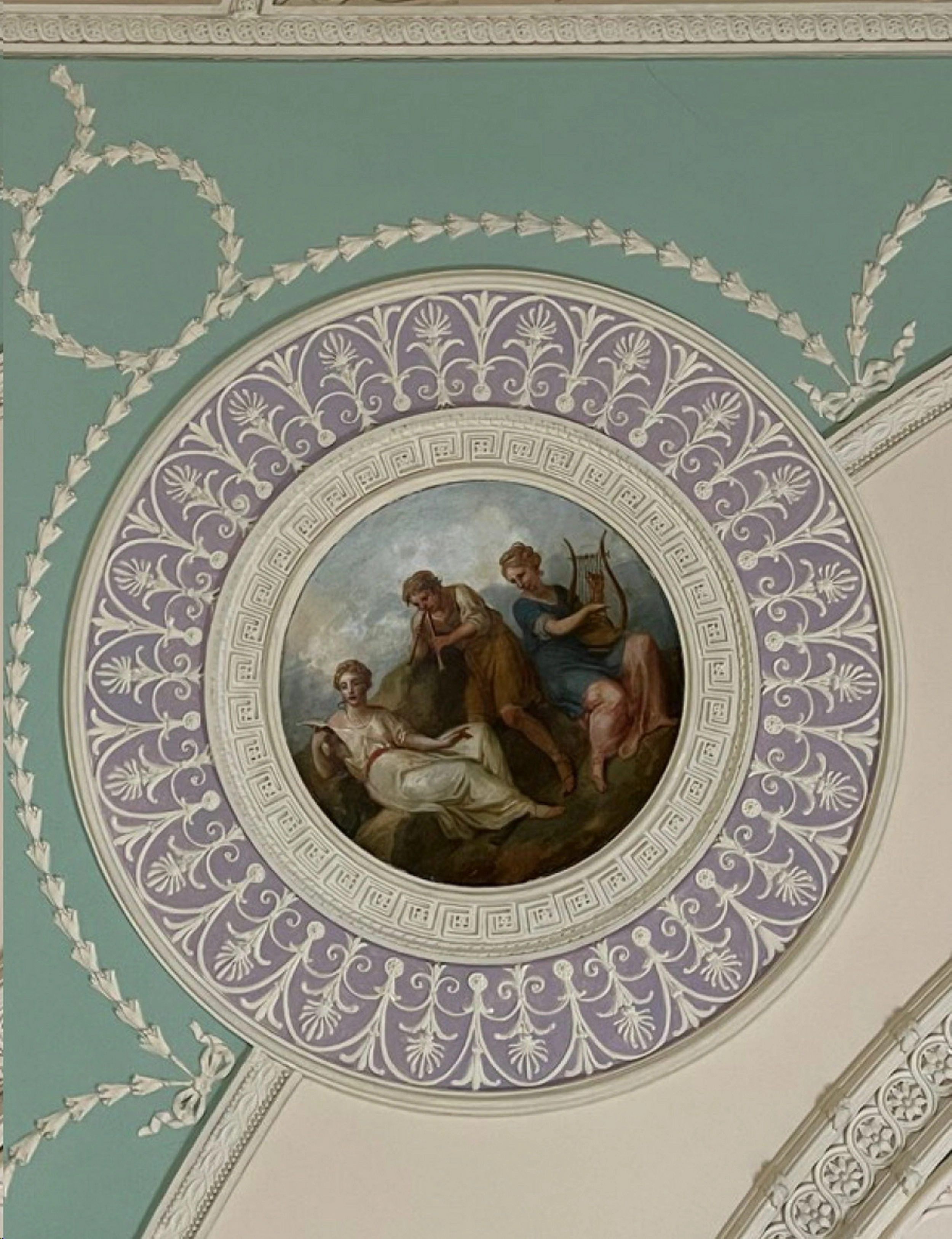
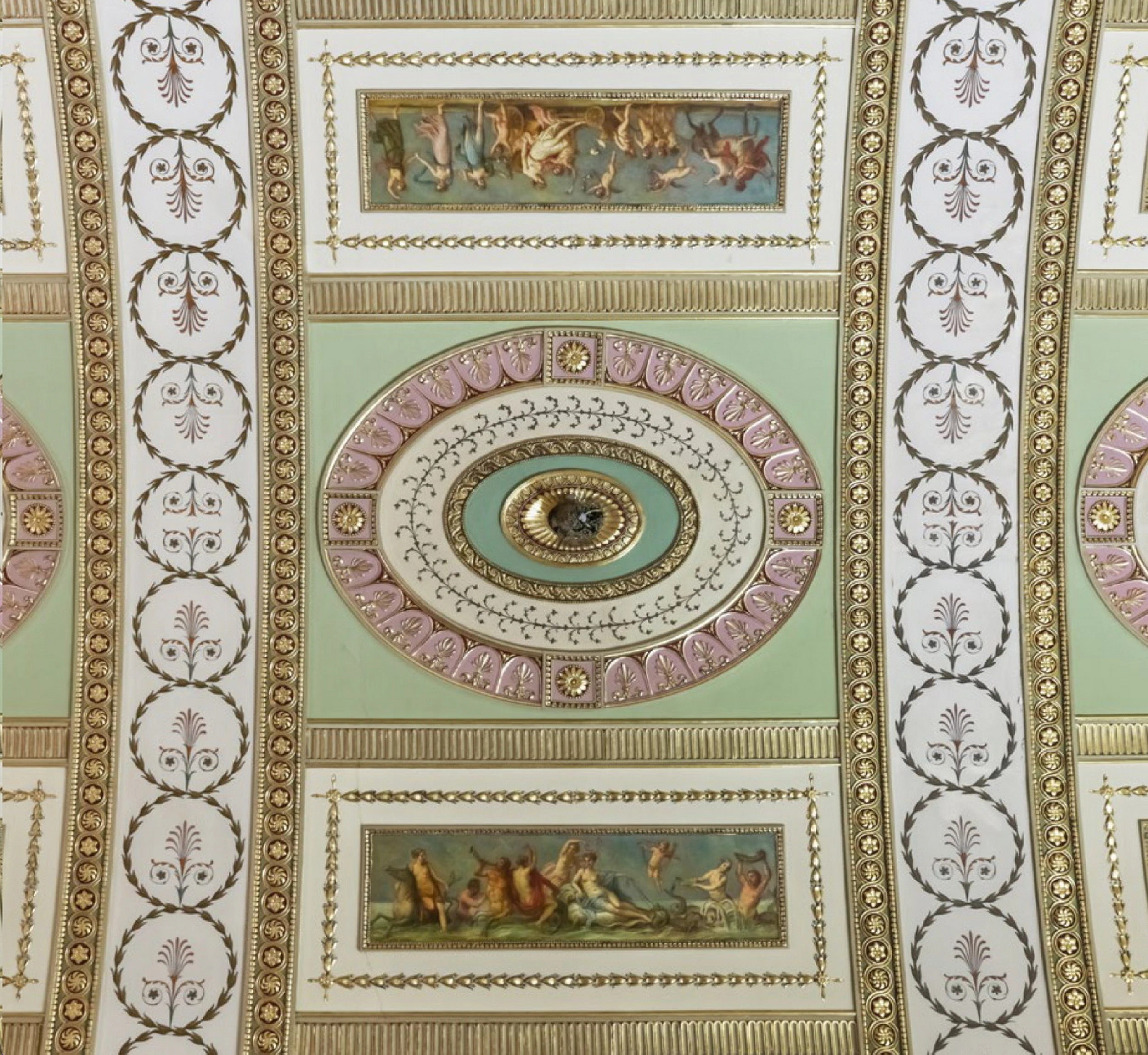
Working from V.A.L.U.E. principles, we developed a visual language that emphasised material continuity over stylistic contrast. Every image was calibrated to serve dual audiences: heritage consultants requiring evidence of sensitivity, and commercial tenants requiring evidence of quality.
Veracity was paramount. Geometry was verified against survey data. Materials were represented with accurate reflection and texture. Lighting was modelled to demonstrate how natural light would actually behave within the historic envelope.