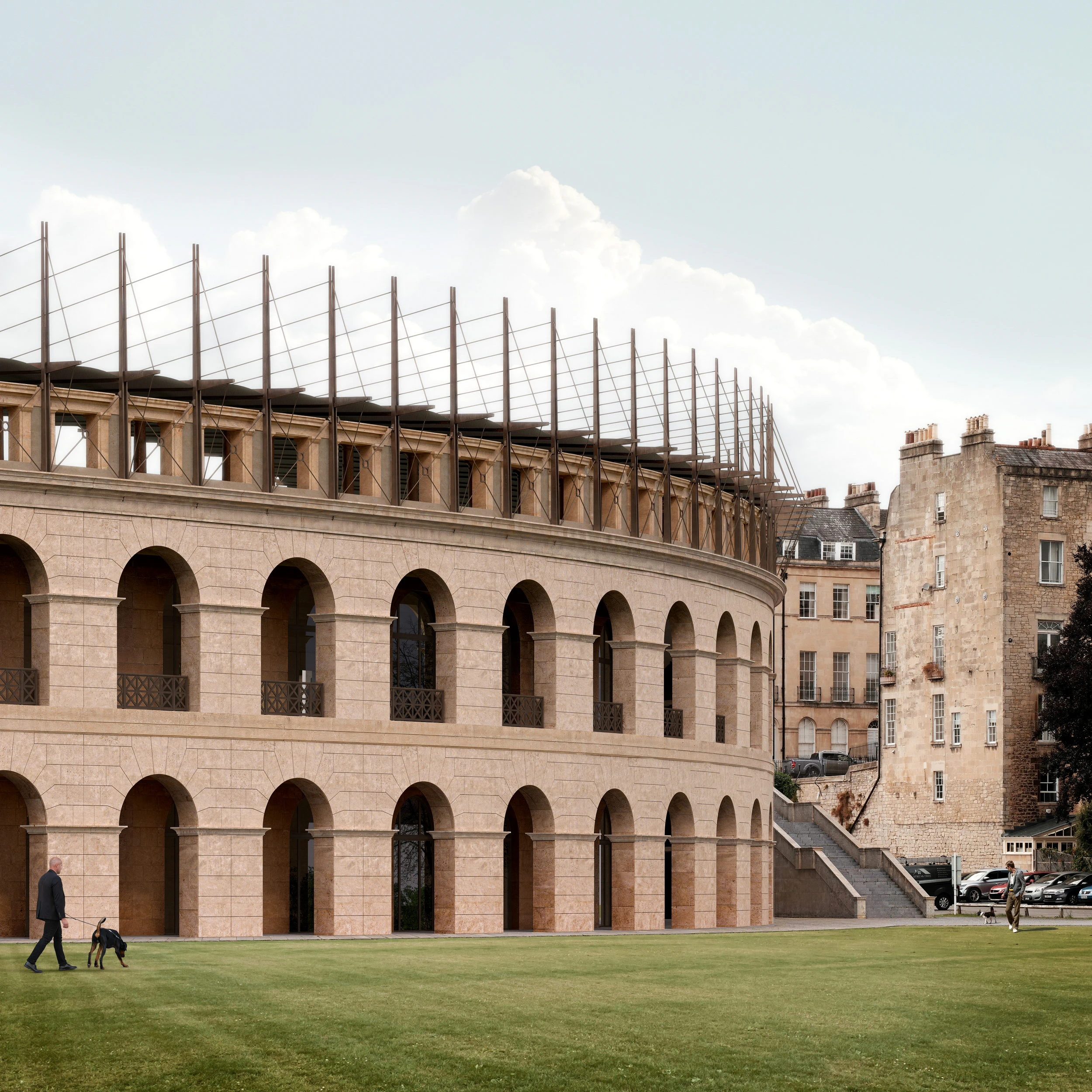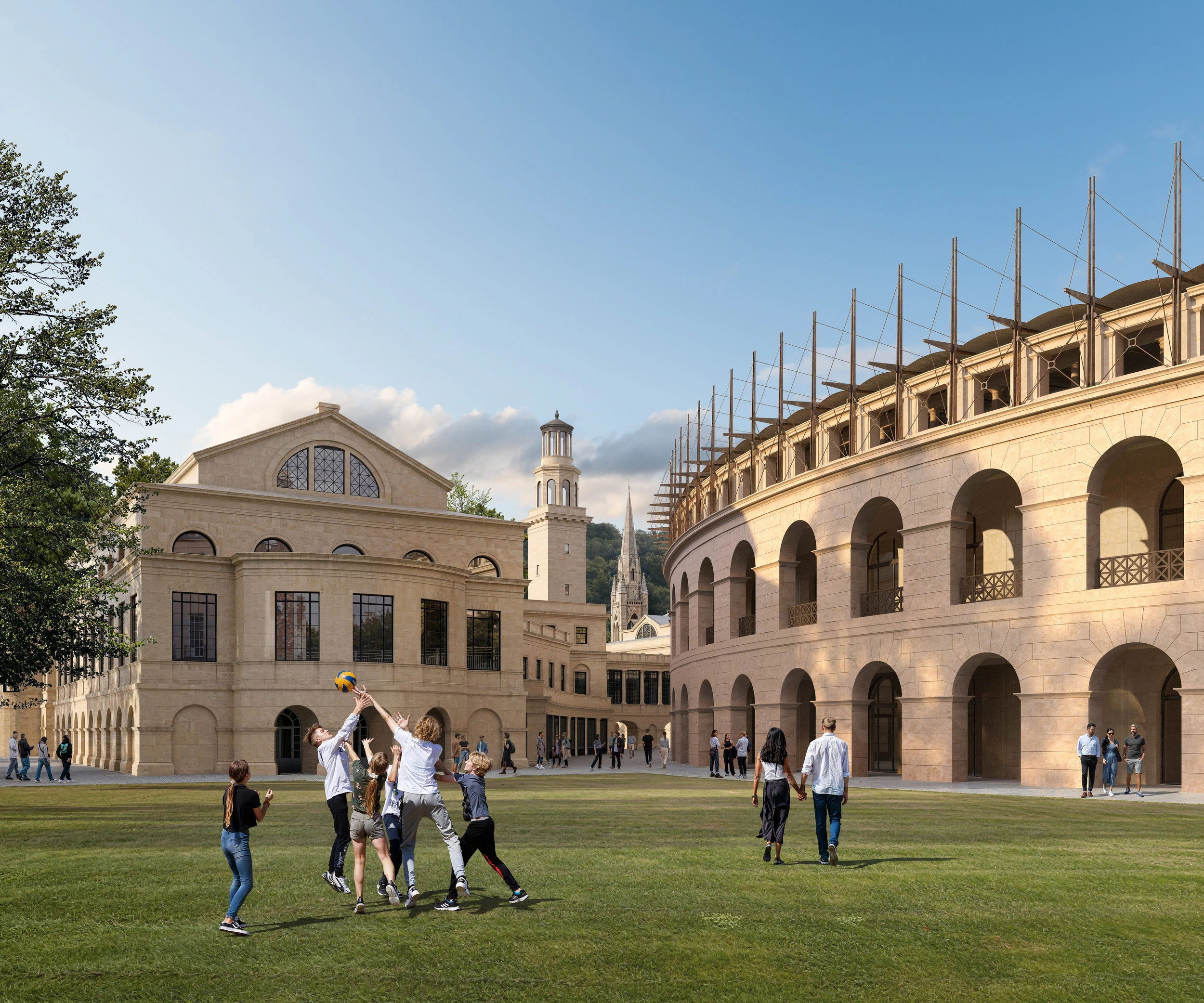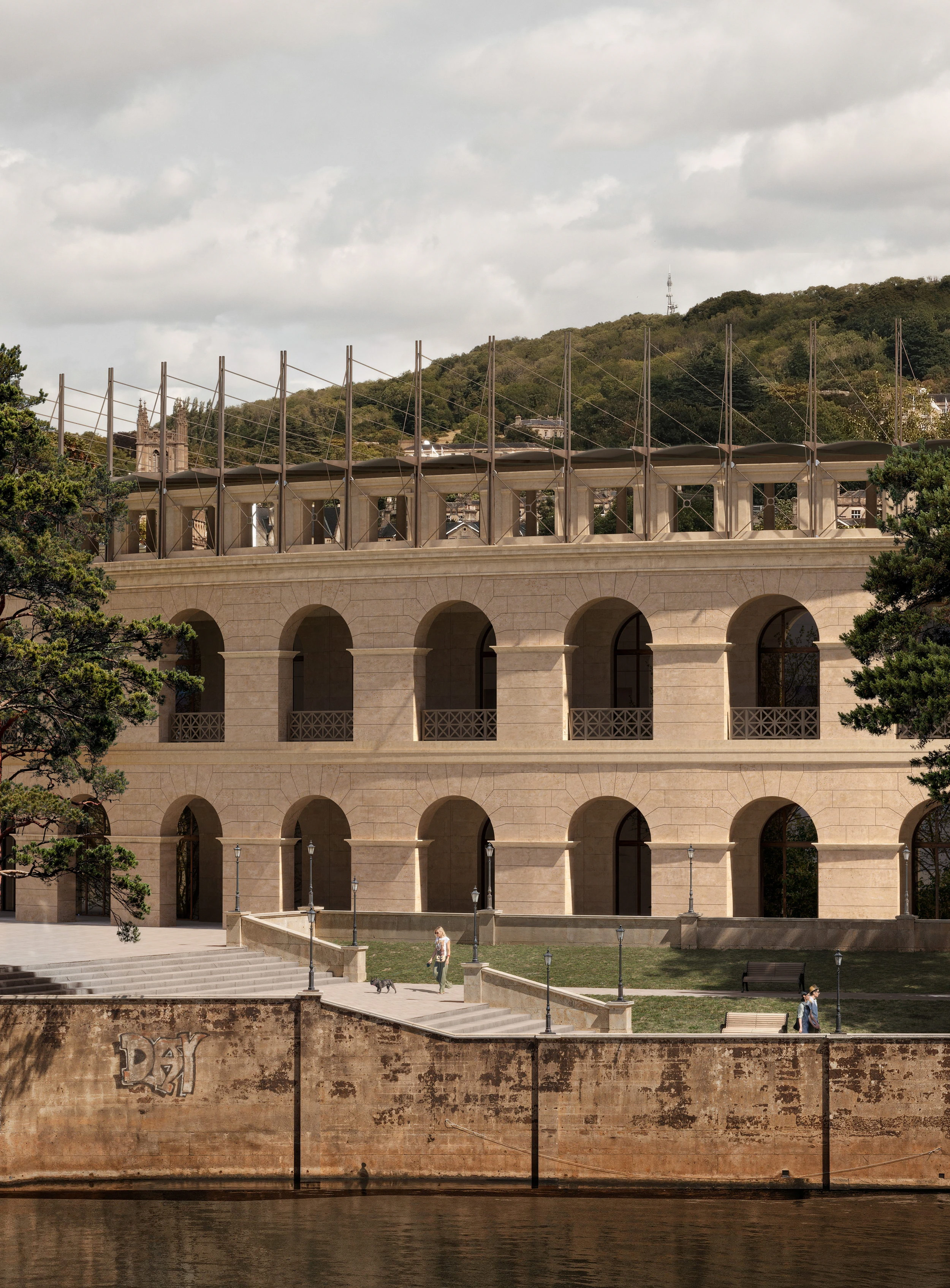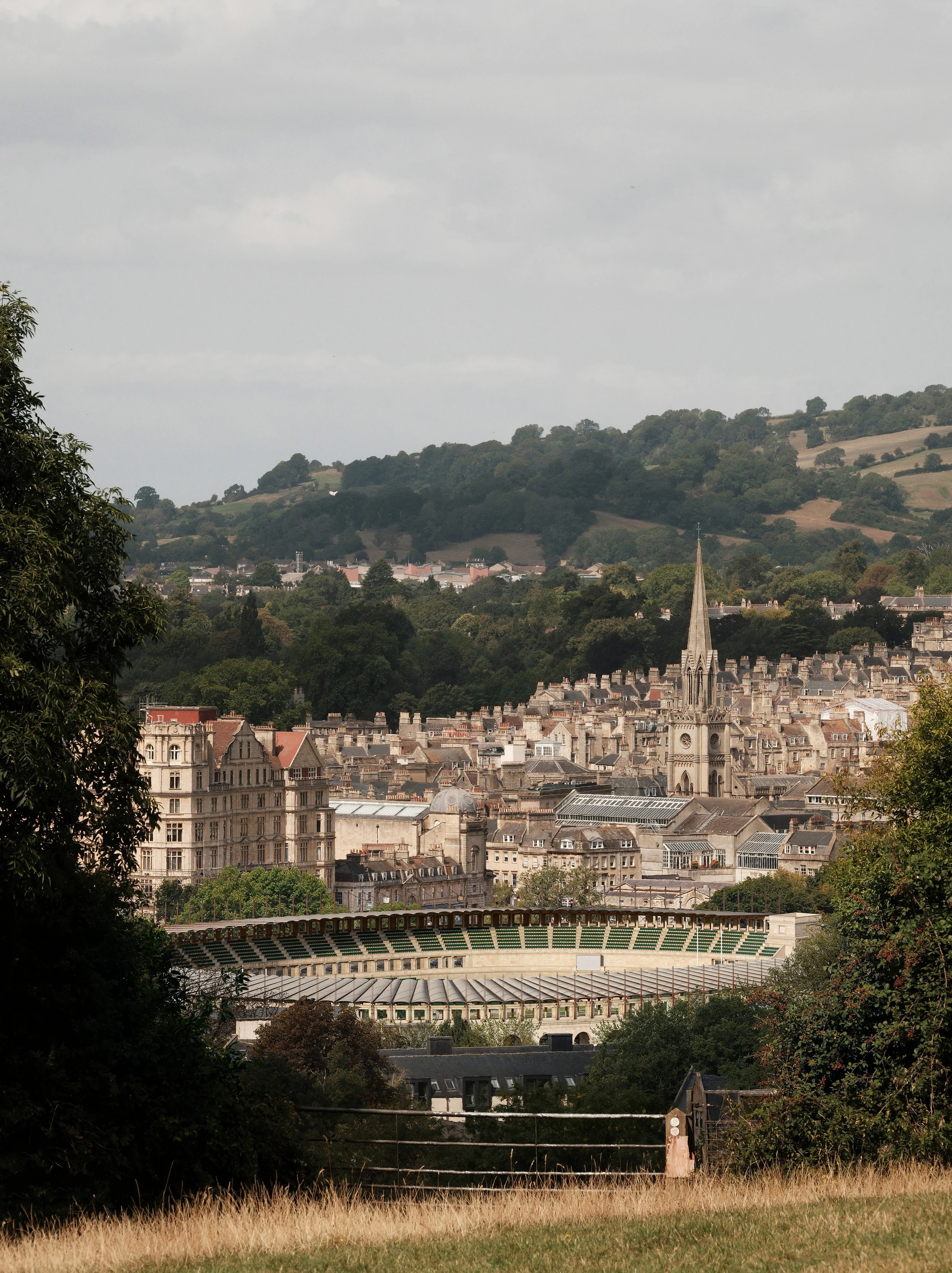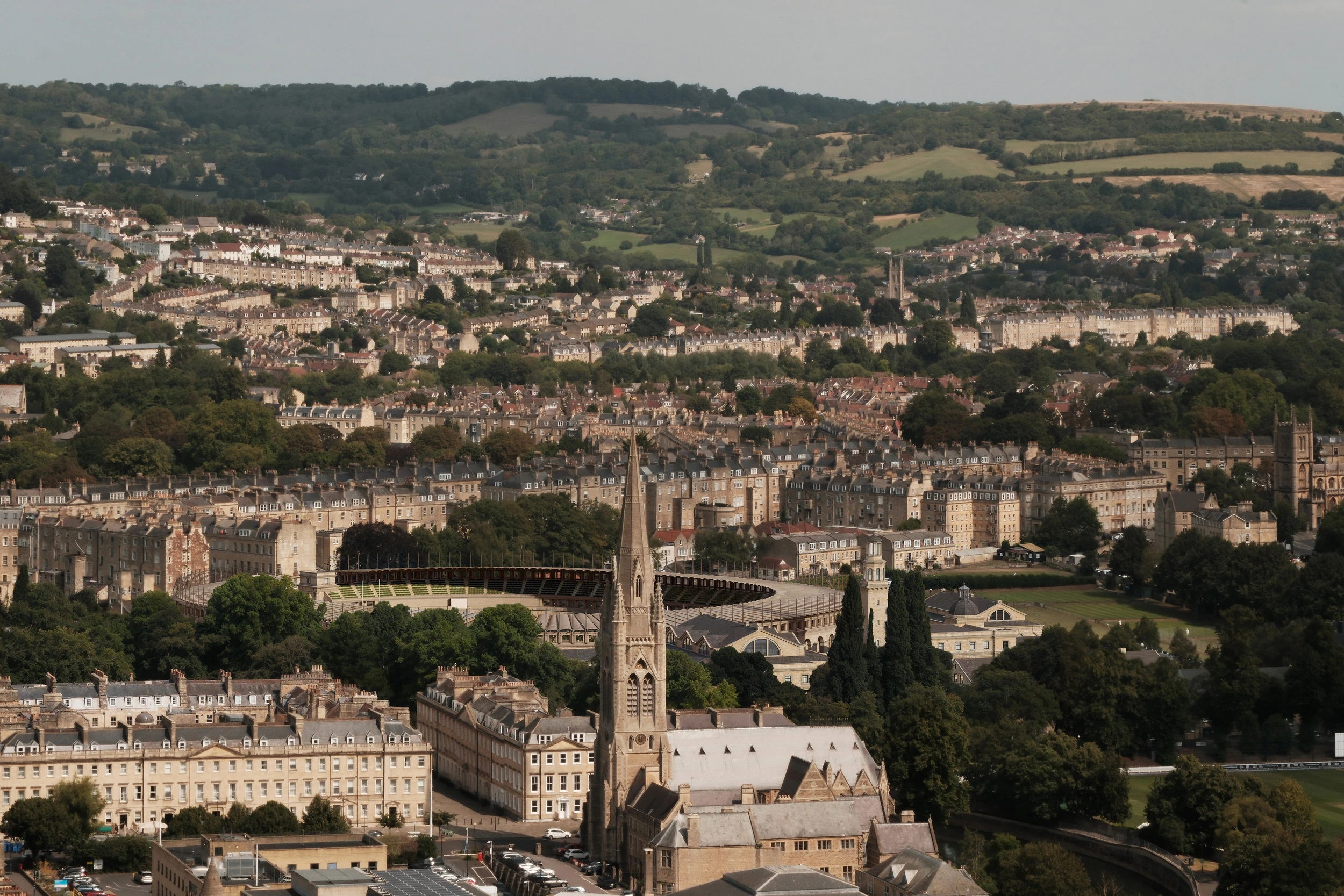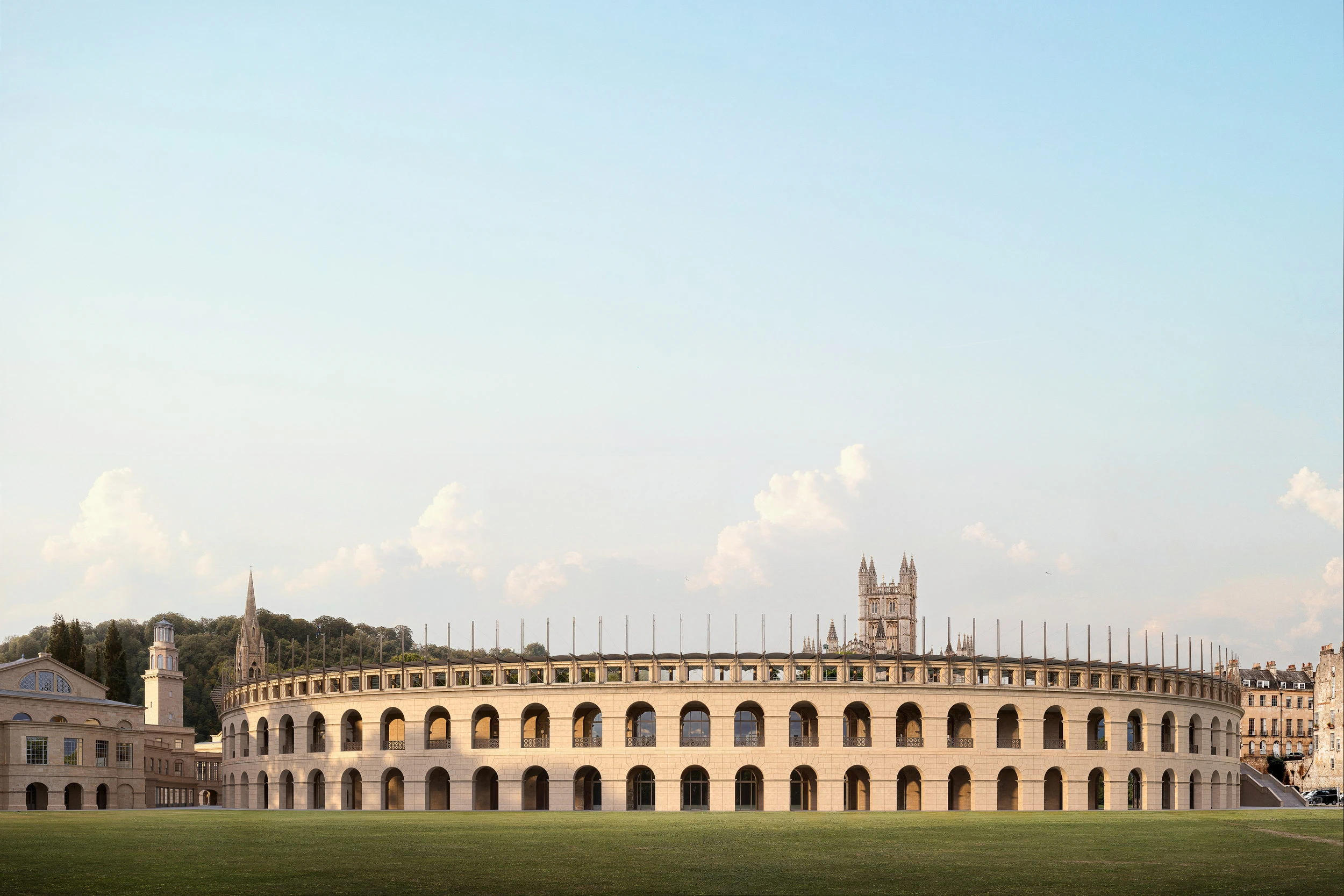
When a proposed arena threatened to compromise Bath's UNESCO World Heritage status, imagery became a tool for civic discourse. This was aesthetic intelligence applied not to promotion, but to truth.
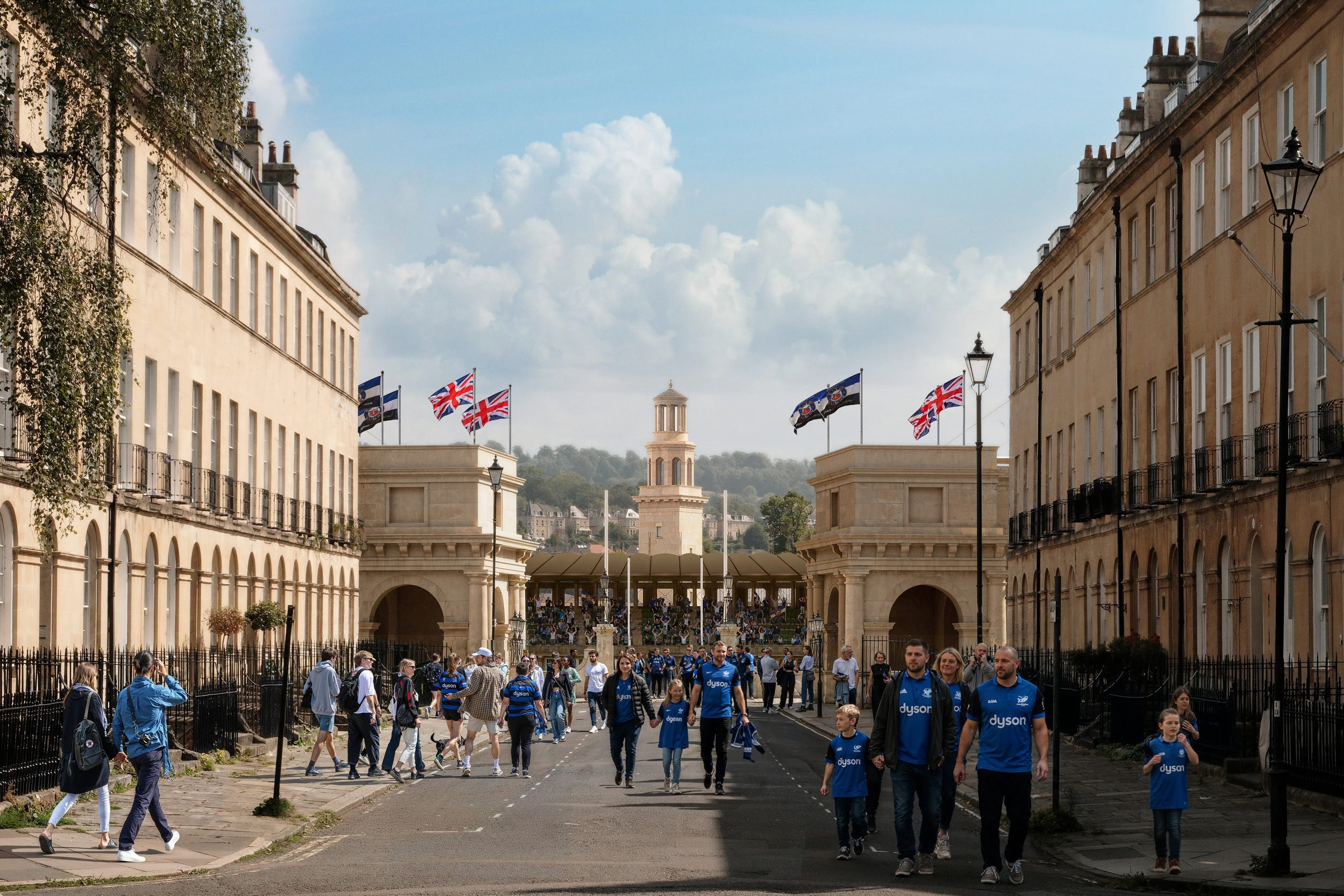
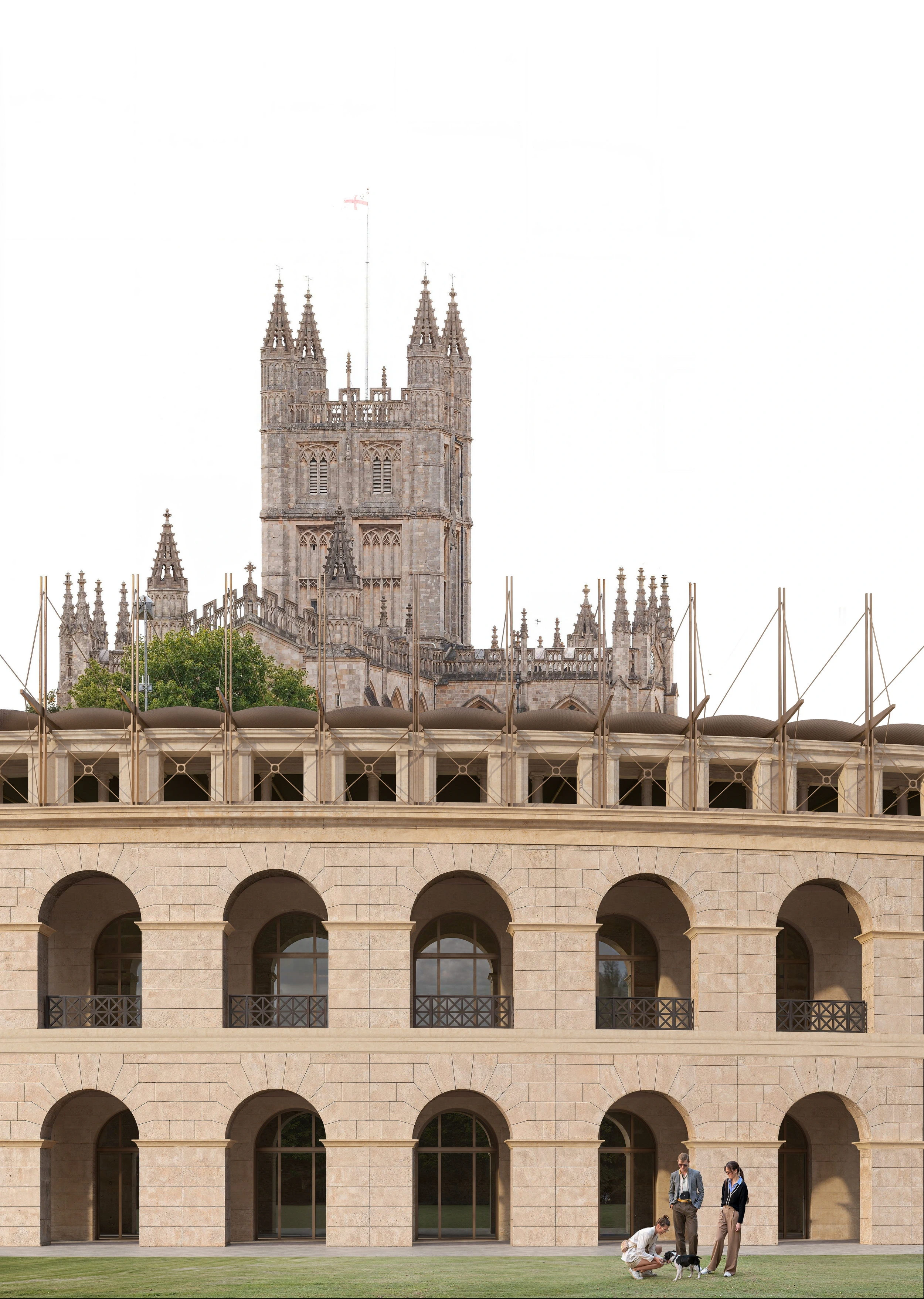
In a World Heritage context, the question is never simply "can we build this?" It is "should we?" Imagery is often the only language in which that question can be honestly asked.
Promotional renders for major developments are designed to persuade. They select viewpoints, lighting conditions, and compositional strategies that present proposals in the most favourable light. This is not deception; it is advocacy.
But in contested civic decisions, advocacy imagery creates an asymmetry. Those proposing development have visual resources. Those questioning it often do not. The Bath Arena analysis sought to correct this imbalance.
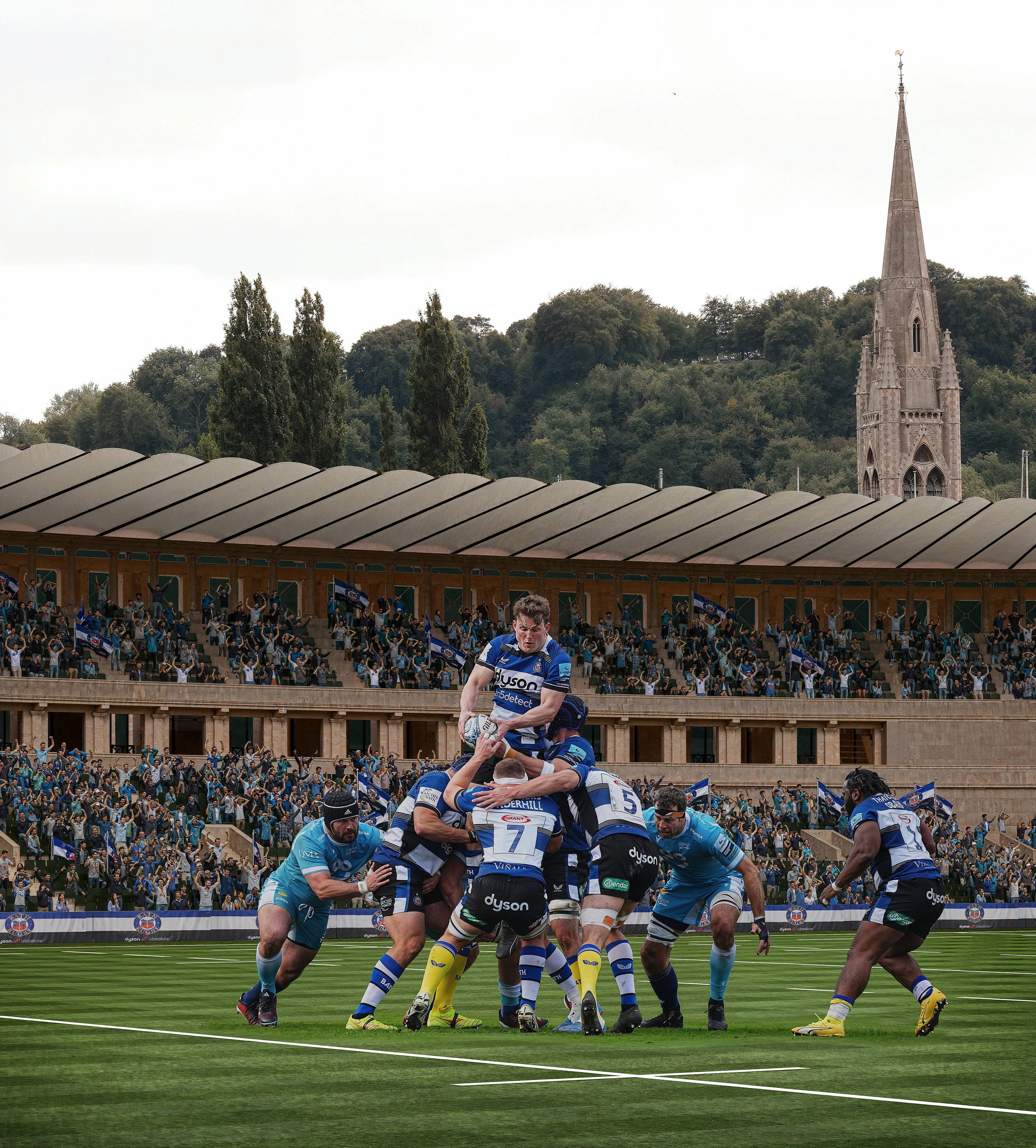
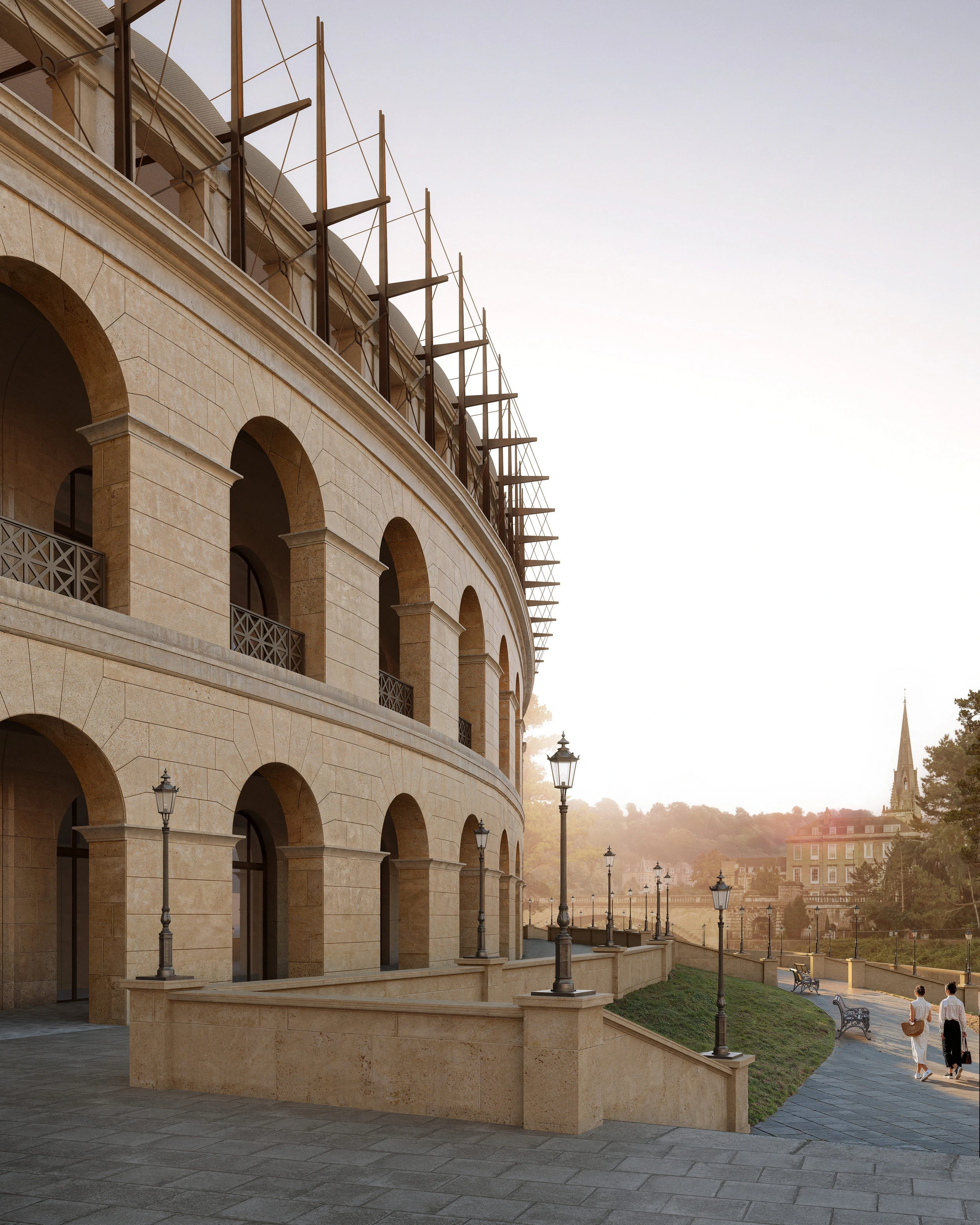
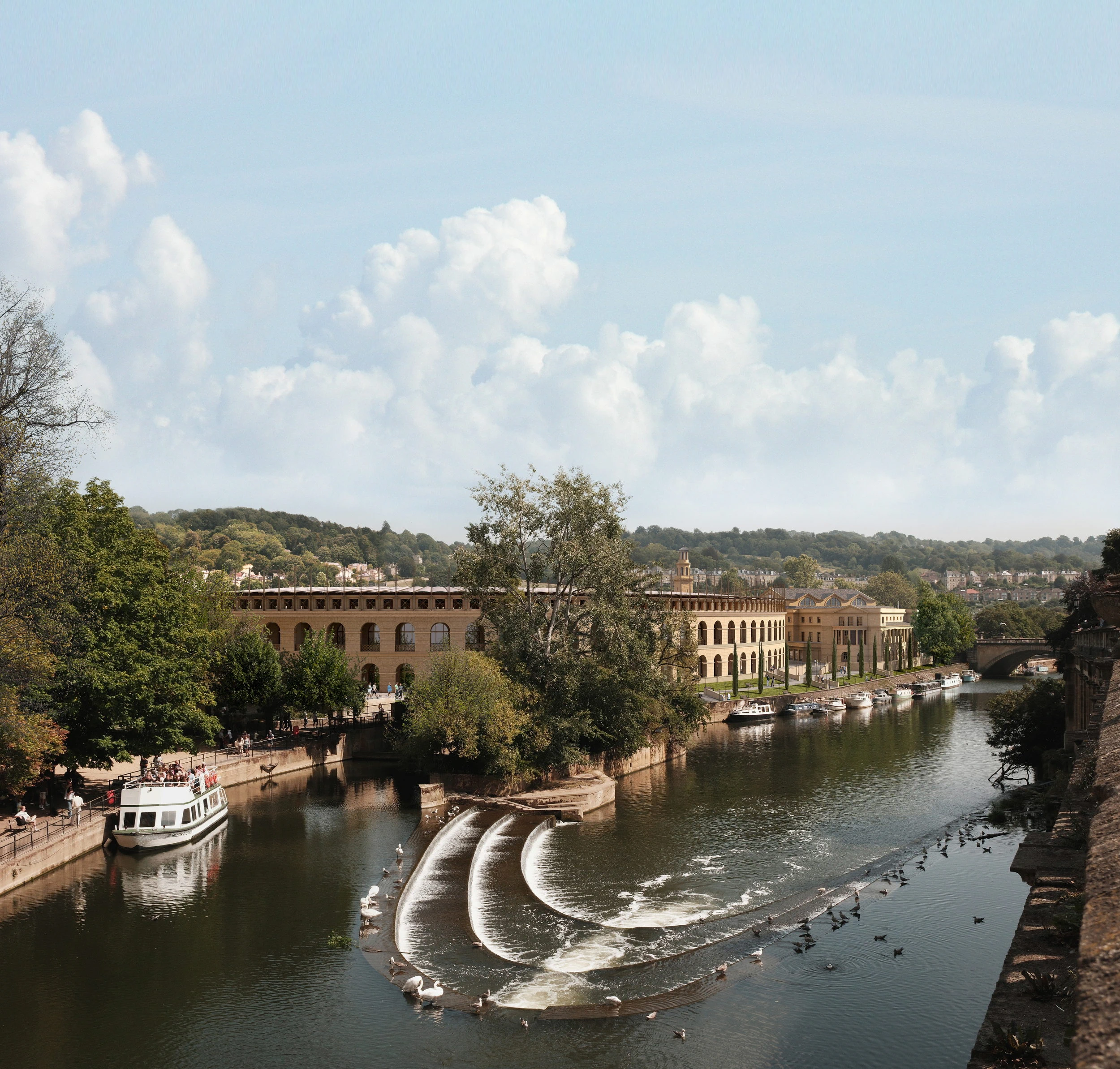
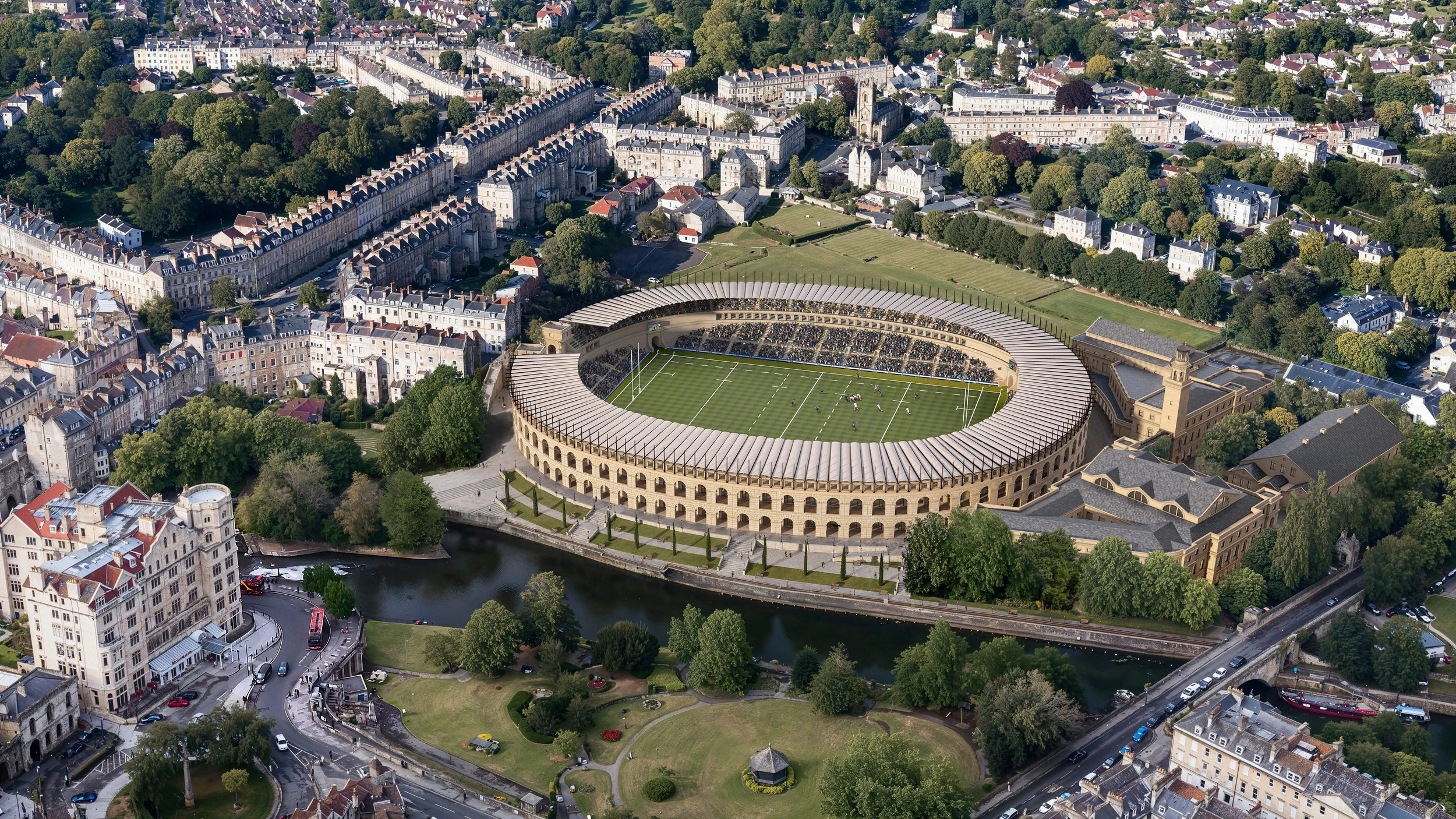
Visualisation can serve persuasion or it can serve truth. In contested civic decisions, we believe it should serve truth.
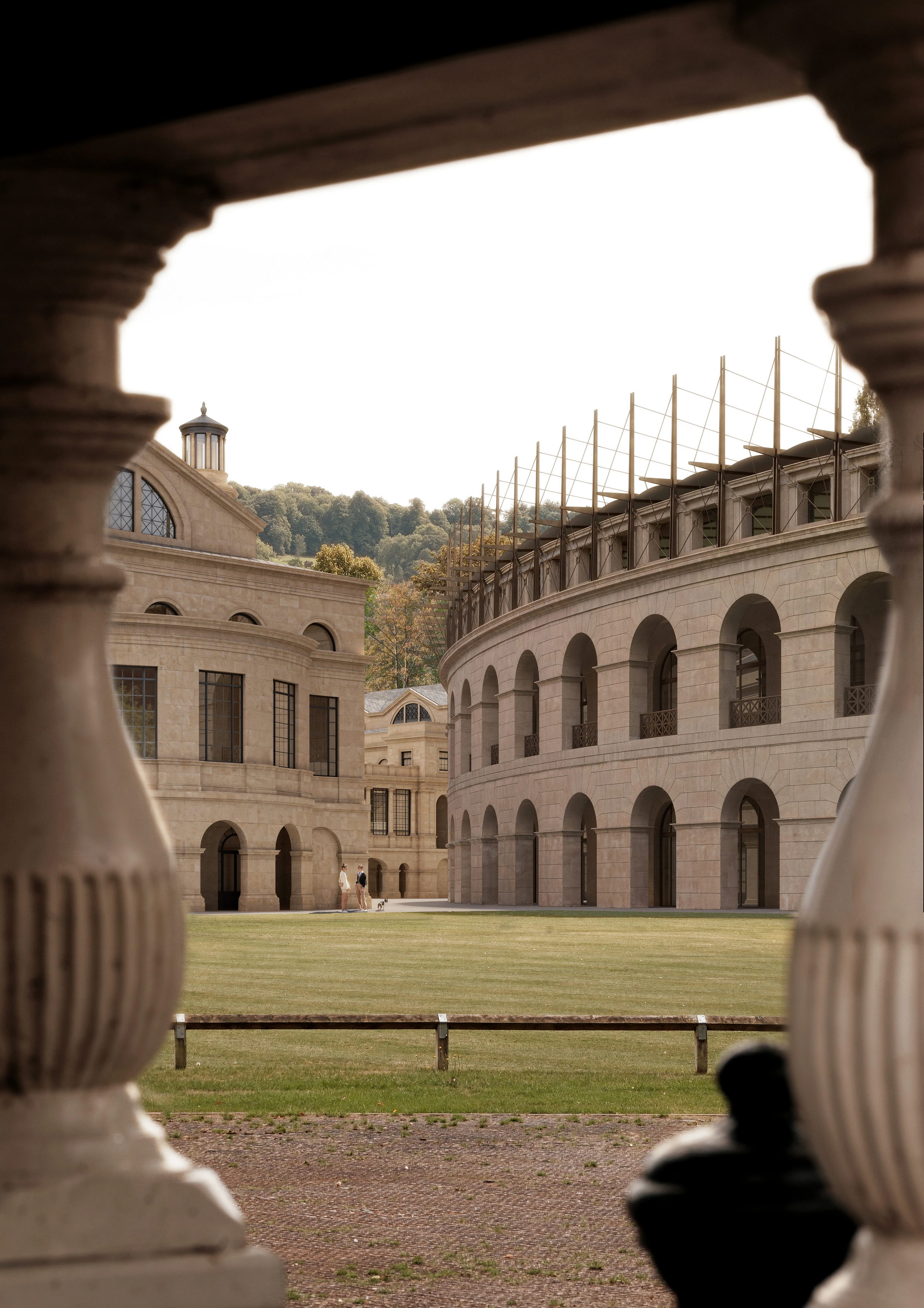
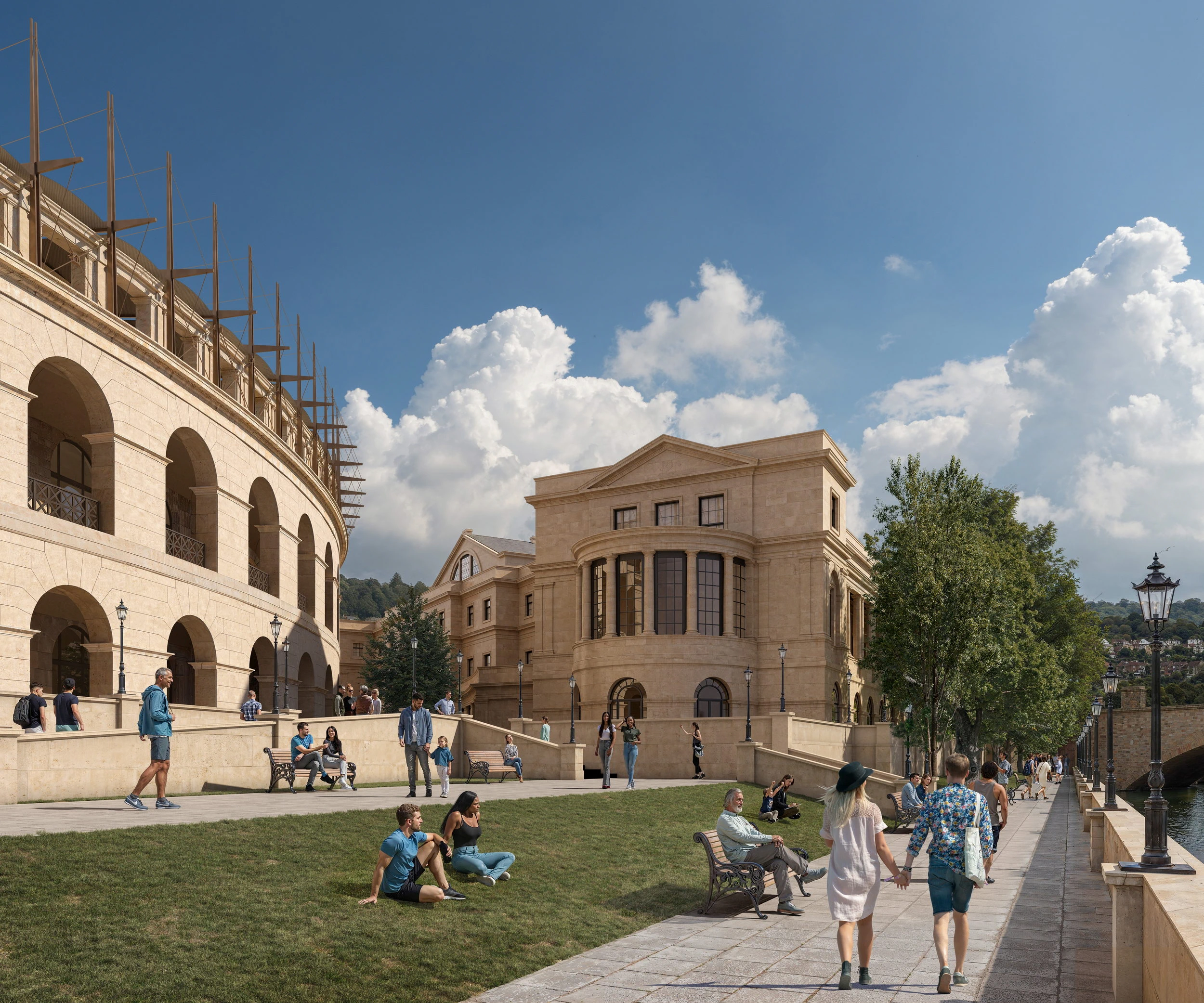
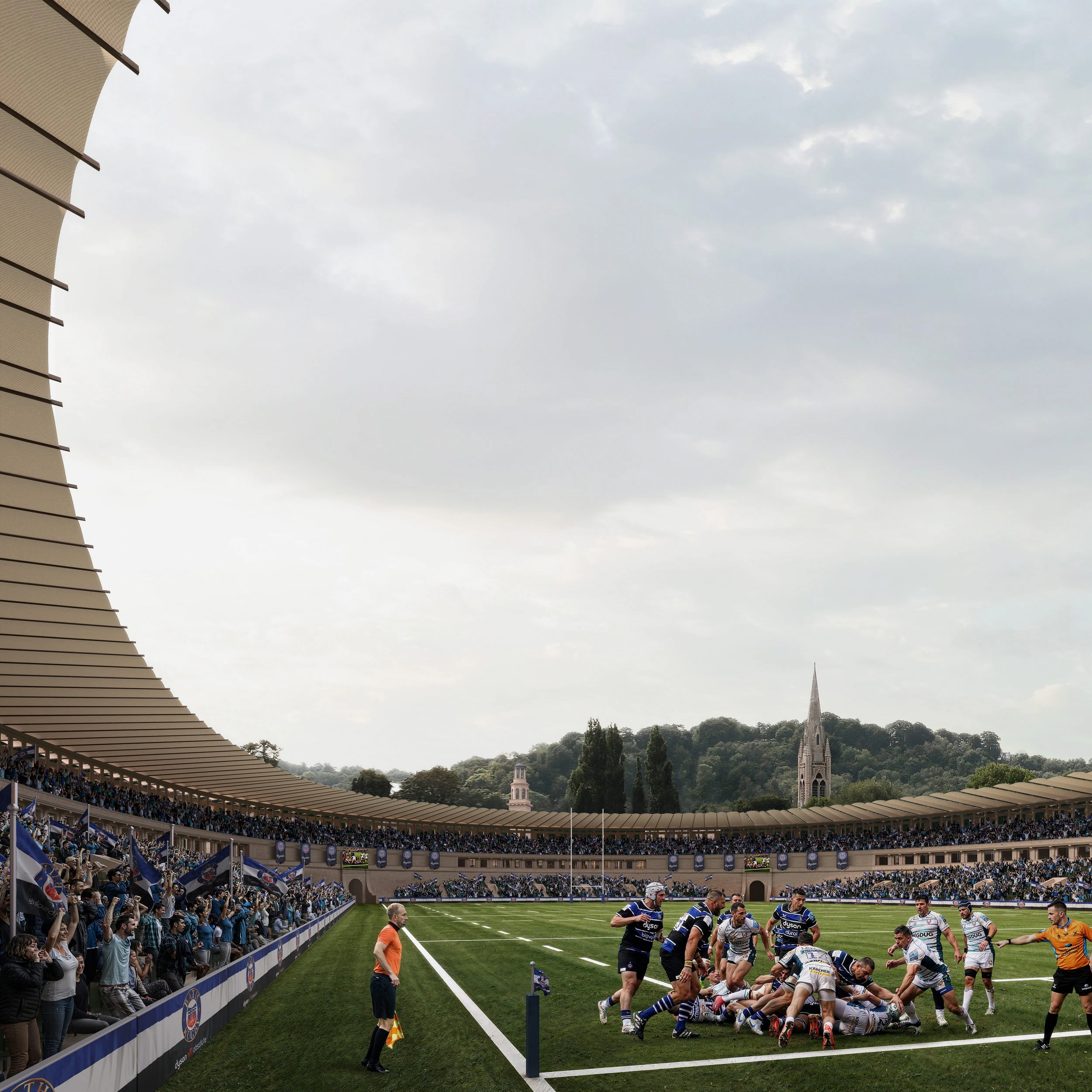
This was not a commercial commission. It was an exercise in visual responsibility: using the tools of architectural visualisation to test assumptions and expose risks that promotional imagery would not reveal.
The imagery deliberately avoided seductive rendering techniques. Instead, it prioritised clarity: massing in context, tested sightlines, the true scale of the proposed development against Bath's distinctive skyline. Citizens and decision-makers could see what promotional renders would not show.